In What Language Should We Write Our Literature for Children?
This question is raised from time to time in our age whenever discussions arise about backwardness and progress, development and modernity. It is raised by the educated elite, whose concern is to investigate the reasons that hinder the progress of the Arab and Islamic nation. It is also raised by writers, particularly those who write for children, because direct communication with children takes place through language. Is it permissible to connect this issue with what was narrated in the past or with what is being written today? Parents also raise this question, as they wish their children to master the Arabic language; indeed, they aspire for their children to master other languages as well. This question does not seem likely to disappear, primarily because of its connection to Arab identity on the one hand. Arabs find in the idea of language a source of cohesion among Arab peoples. On the other hand, it is connected to one of the ways of preserving the strength of religion. Language has therefore become a civilizational issue. Does progress begin with language, or does it emerge from other sources? Accordingly, we find ourselves compelled to address another issue related to identity and religion. If we, as writers, wish to tell stories or compose poetry, what language can we use to communicate with children who all belong to the Arab environment? As we know, this environment is internally cohesive, yet externally diverse. By “external” here, I mean the forms of linguistic communication used in these environments through different dialects. If I write a story in the Moroccan dialect, for example, will its semantic message be understood in the Egyptian environment? The same can be said of other dialects, which may be clear and accessible at times but obscure on many occasions. If we write children’s literature in the Egyptian or Moroccan dialect, does this affect identity and religion? Whether we like it or not, the answer is that the widespread circulation of literature written in one dialect or another among children—who represent the rising generation, the generation expected to assume responsibility for managing society for decades to come—at a time of competition among languages for prevalence and global reach, will in one way or another contribute to weakening the cohesion and solidarity among the peoples of the Arab nation. The Arabic language is therefore a fundamental element in achieving cohesion among Arab peoples. The strength that emerges from this cohesion gives our language a global legitimacy and grants it the right to compete with other languages. Some may argue that ours is an age of rapid development, an age in which everything human beings use is becoming easier and more accessible. Yet development does not, under any circumstances, mean severing our connection with the language inherited from our ancestors—the language of identity and religion—on the pretext that communication cannot be achieved through unfamiliar or difficult words. There is no doubt about the importance of accessibility. However, moving from obscurity to simplicity does not mean reducing language to a naïve or superficial form, to the point of legitimizing the teaching of sciences and literary forms to students in dialects on the grounds that they find it difficult to absorb knowledge through Modern Standard Arabic. If such an approach were to spread into specialized fields—in schools and universities, where the use of formal Arabic is required—why not apply the same principle to the languages we seek to learn in order to use them in professions and occupations? Advocates of this approach seem to take an extreme position, because replacing the official language—the language of heritage, identity, and religion—with a dialect inevitably raises a profound human question: the Arab individual's connection to existence as a struggle to affirm distinction through language. Any separation from the language is a separation from participation in this global linguistic struggle. This struggle should not, however, take place between Modern Standard Arabic and dialects, because it may generate problems that we do not want to release from the confines in which they are contained. Such problems could enter another arena: the political sphere. There, they could become a vehicle exploited by those who are neither specialists nor knowledgeable about language, turning language into a means of achieving a utilitarian objective. This is what happens in several Arab countries. One example is the adoption of Arabization for scientific subjects, followed later by their Francization. If we examine the efforts made by each side to defend its position, we find that the intellectual effort devoted to this conflict has produced no outcome that benefits the Arab nation. Even more troubling is that one may find someone who previously defended Arabization later becoming an advocate of Francization or Anglicization. We may conclude from this that political conflict cannot resolve linguistic dilemmas because it pursues a utilitarian purpose that serves self-interest rather than the interests of the language itself. This problem—which appears to be an artificial one, as we seek to demonstrate—leads us to understand what is meant by facilitating and simplifying the language through which we communicate in formal contexts, since outside such contexts we use the dialect to which we belong. Facilitation and simplification, as explained by modern Arab linguists such as Al-Maraghi, Khalifa Al-Tunisi, Taha Hussein, and Al-Aqqad, involve reconsidering the rules upon which the language is founded. We should not expect a child to grasp the complexities arising from a particular linguistic phenomenon simply because different grammatical theories, debates, and opinions have developed around it. These emerged from the linguistic disputes among the grammatical schools—the Basran and Kufan schools, and even the Maghrebi-Andalusian school, represented by Ibn Mada’ al-Qurtubi. Such disputes produced differences concerning a single grammatical issue, such as whether ma functions grammatically or not, whether all grammatical case endings may be permitted in a particular construction—sometimes based on linguistic usage and at other times on analogy—and the relationship between governing elements and the words they govern. Limiting instruction to the grammatical rules that are most commonly used among people, while reinforcing them through the literature and educational materials directed at younger generations, is sufficient to cultivate a generation that loves its language, its grammar, its poetry, its stories, its inherited sayings, and its proverbs. This is similar to what we do when establishing the basic rules of other languages and familiarizing ourselves with their cultures. How can we expect younger generations to master their language if they are not connected to the Arab culture in whose cradle that language developed? How can they understand the subtleties of Arabic without reading historical works, books of tales, legends and myths, poetic compositions, and accounts of kings, caliphs, writers, and poets? If, for example, we read the biography of Imru’ al-Qays, or explore the life and works of Abu Hayyan al-Tawhidi or Al-Jahiz, would we not thereby enter the world of the Arabic language through the widest possible gateway? If we take into account that mastery of language ultimately leads to mastery of grammar—a subject from which our younger generations tend to shy away—we may conclude that learning linguistic rules begins with reading literary works. Within this context, which is witnessing international struggles over languages, this does not in any way imply a desire to destroy any language, because a language dies only when its speakers die. On this basis, the Arabic language will neither disappear nor cease to be used, even in informal contexts, because of the need for simplicity, nor because our age may compel languages to abandon many of their essential features, nor because of excessive reliance on forms of communication through social media. These developments have produced a new form of writing that has spread across these platforms, relying on Latin letters, numbers, and symbols to convey meaning. The matter has even gone further, with people economizing on language by using certain letters instead of constructing complete sentences. Should we therefore say that this constitutes a threat to the Arabic language? Such concern is understandable. Yet alongside these forms of superficial simplification, we find an opposing approach: expression through eloquent sentences and texts that are free from unnecessary verbal and conceptual complexity. Languages face challenges every day, but the fate of any language necessarily involves this tension between failure and success, and between destruction and construction. But what does all this have to do with children’s literature and storybooks? The connection is indeed necessary, given that publishing houses in the Arab world vary in their approaches. Some specialize in publishing traditional heritage stories; others publish translations, thereby opening the door to world literature; some publish in local dialects; while others publish in Modern Standard Arabic. There is therefore a difference in the ways literature is delivered to Arab children at the linguistic level. But can this difference provide us with a smooth entry into the world of progress and modernity at the cultural level? The answer is that publishing literature for children in the Arab world in local dialects, on the pretext of presenting meaning “on a silver platter,” as the saying goes, or adopting an approach of simplification, is in reality an accumulation of yet another crisis on top of the many crises facing the Arab world. Where, then, does the solution to this crisis lie? Change does not usually take place within language itself, as though language were merely a dictionary from which we select whatever words we wish in order to express our ideas, with each idea having its own particular language. Rather, change takes place at the level of style—in the ways we use the language while maintaining its formal structure, constructing meanings that can be understood by both specialists and the general public. The language in which we write is no different from music to which we listen attentively for its melodies. What do we understand from this? We understand that constructing sentences in Modern Standard Arabic can achieve the very purpose that we seek to achieve through dialects.
Al-Hassan Benmouna / Morocco
Read More
The Journey of a Children’s Book Illustrator
It is a journey that takes us far into the worlds of imagination. Each time an artist allows themselves to float with the words, to breathe them in and become part of them, their feet rise from the ground and they find themselves gently floating, leaving behind the constraints of reality and embarking, through imagination, on a new world of lines, colors, shapes, and varying emotions. At that moment, the artist realizes that this text was written so that they could give it a part of themselves. Illustrating books in general, and children’s books in particular, is a space unrestricted by the constraints of reality. It allows every artist to be their true creative self. Swimming between and within words requires us to detach ourselves from reality and connect with our inner selves before thinking about techniques and artistic skills. We first set our imagination free and experience life as though we are seeing it for the first time, with wide-open eyes that absorb everything that touches our senses. We breathe it in and store it, allowing it to become part of our endless visual repertoire. We build towers of emotions, sensations, colors, images, and childhood memories stored in scented glass jars, releasing their fragrance whenever we encounter or see something that reminds us of them in our everyday lives. A creator of children’s books and picture books forever gathers within themselves a collection of intangible treasures that serve them throughout their creative journey. How Does an Artist Begin Illustrating Children’s Books? The artist begins by connecting their creativity with their actual technical skills and working on illustrations that represent what they love most about children’s books, whether a particular age group or a general theme that stimulates their imagination and inspires them to create with enthusiasm. In many cases, artists struggle to connect their technical abilities and the images they create with their imagination, allowing external influences and the styles of other artists to affect their confidence and their perception of their own creative work. Building a portfolio requires us to be ourselves and to allow our skills and creativity to blend naturally and confidently. Producing 8 to 12 illustrations, varying in size and level of detail, is very important in demonstrating a range of skills and techniques to publishers or literary agents. In addition, a strong portfolio gives the prospective employer confidence in the artist. When an artist begins the journey of searching for a publisher or a book to illustrate, they should always remember that the right text is out there waiting for them; they simply need to seek it out. They can begin by sharing their own work, reaching out to publishers and writers, promoting their work, practicing, and becoming part of the children’s book community through exhibitions, publishers, workshops, and professional networking. The world of children’s books is a welcoming one, with its doors open to you. All you need to do is take your artistic tools and creativity and set off on the journey.
Layal Idris – Lecturer at the University of California Children’s / Book Artist
Read More
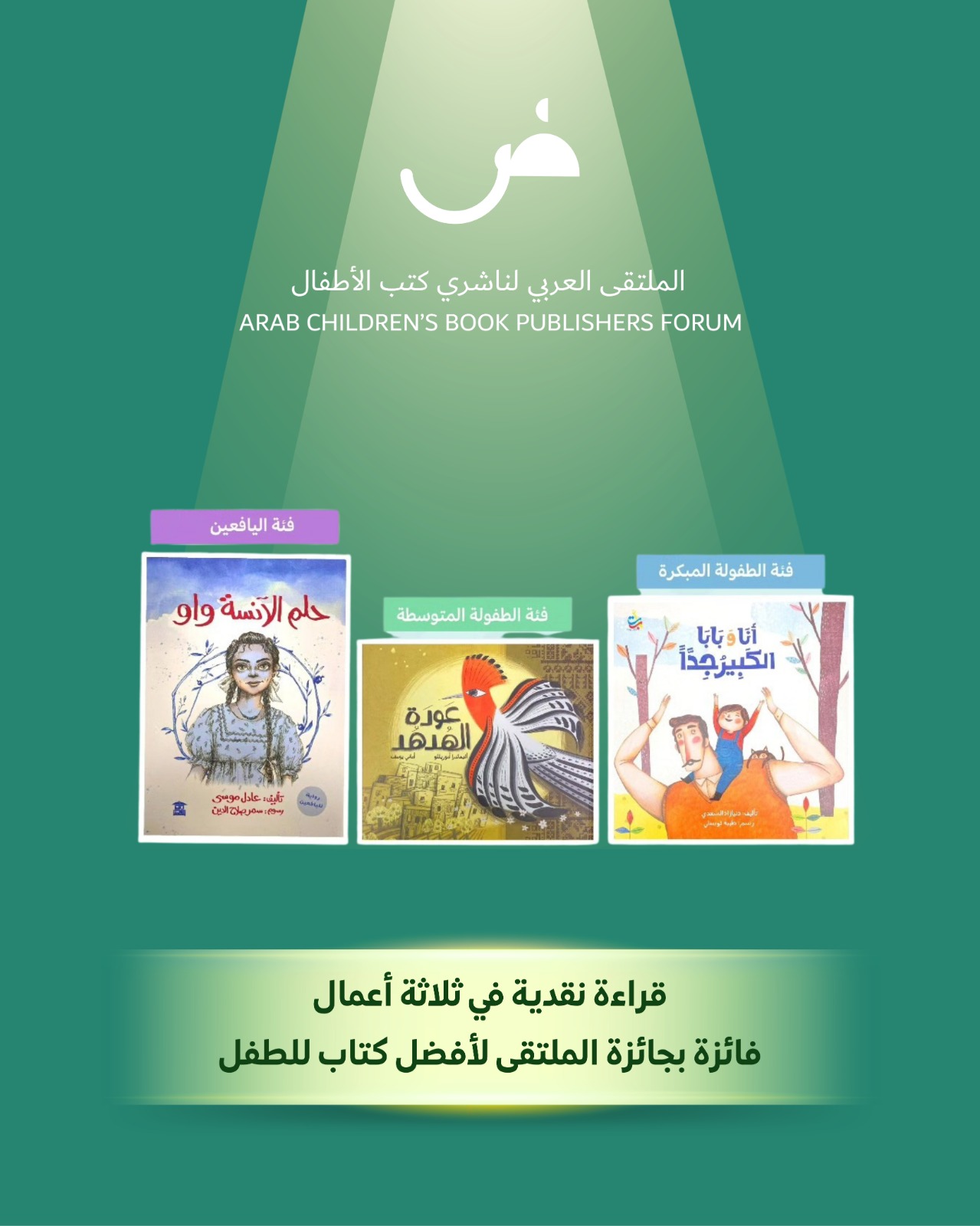
A Critical Reading of Three Award-Winning Works Honored by the Arab Forum Award for Best Children's Book
The following article presents a critical reading of three distinguished works of Arabic children's literature that have received the Arab Forum for Children's Book Publishers Award. Through these readings, the author examines themes of courage, identity, belonging, family, and hope, while offering insightful observations on narrative structure, symbolism, and literary technique. Miss Waw's Dream Miss Waw's Dream is an inspiring novel for young adults set in the community of storytellers—a simplified microcosm of society at large. Many years earlier, the elderly Chief Storyteller had decreed that woman should be forbidden from storytelling, arguing that they were incapable of bearing such a great responsibility. He also believed that women tended to invent new stories, thereby threatening the preservation of traditional tales and the storytellers' mission of safeguarding cultural heritage. According to this decree, the kitchen was the only place suitable for women. For decades, the rule remained unquestioned until the courageous Waw emerged. Inspired by her grandmother's legacy, she believed it was her right to become a storyteller. Although her parents initially tried to dissuade her, she remained steadfast. During the annual Festival of Storytellers, she openly declared her wish to the Chief Storyteller himself—a man feared and respected by everyone. The Chief first attempted to persuade her gently, insisting that storytelling was too difficult for women and incompatible with long-established traditions—traditions that he himself had created. Unmoved by his arguments, Waw purchased a rababa (a traditional one-stringed instrument) and sat in the village square to perform her very first story. Her determination placed the entire community in an uncomfortable position. The novel presents a subtle conflict between tradition and renewal, rigidity and change. Determined to test her resolve, the Chief Storyteller ordered Waw to climb the mountain alone and spend the night inside the Cave of the Covenant. He declared that if she were sincere in her purpose and dreamed of the ancient grandmother of storytellers, she would be officially recognized as one of them. Waw accepted the seemingly impossible challenge without hesitation. She spent the night alone but did not dream of the grandmother. Instead, something unexpected happened. When she descended the mountain the following morning, a star-shaped mark had appeared on her forehead—a symbol that, according to ancient tradition, had once distinguished true storytellers. The Chief Storyteller finally surrendered and proclaimed Waw a storyteller. From my perspective, however, this symbolic ending, which celebrates the rise of Waw as a new storyteller, does not entirely harmonize with the novel's otherwise realistic atmosphere. Throughout the narrative, the author relies on logical dialogue and rational argument. Waw's courage, perseverance, and unwavering commitment to her dream seem sufficient to justify her success without resorting to a supernatural sign, whether in the form of a prophetic dream or the miraculous appearance of a star. After all, her determination had already earned the support of her parents and several members of her family. Her cousin, inspired by her bravery, found the courage to reveal his own secret: he loved cooking rather than storytelling, and the delicious dishes the Chief Storyteller enjoyed every festival had always been his creations, not his mother's as everyone believed. Waw's remarkable courage—especially her lonely ascent of the mountain through darkness, cold, and solitude, carrying a heart filled with stories—was, in itself, enough to establish her as a storyteller. She did not need a miracle that might or might not occur to validate her dream. The Hoopoe's Return The Hoopoe's Return is a brief and seemingly simple story, yet it is emotionally profound and deeply moving. It addresses the themes of displacement, uprooting, exile, and the enduring hope of return. Although grounded in reality, the story is richly woven with symbolism. Ghassan is a cheerful boy who shares his secrets with an orange tree. At the same time, he carries an unspoken fear that the world around him might suddenly change. Yet the story never clearly explains what prompted this fear or what Ghassan had witnessed to make him feel this way. Although his anxiety is later justified by the events that unfold, the narrative leaves its origins unexplained. After a deafening uproar, everyone leaves the village carrying the keys to their homes. Here again, the author leaves the details to the child's imagination: What exactly happened? Why were the villagers forced to leave? While the symbolism clearly points to the events of the 1948 Palestinian Nakba, the narrative does not provide sufficient clarity for young readers unfamiliar with that historical context. Although Ghassan disappears physically from the story, his presence endures through the orange tree that patiently waits for his return. The tree symbolizes his deep roots in the land—roots that can never be severed. Its continued flourishing also embodies the enduring hope that one day he will come back. When autumn arrives, a hoopoe appears in the village. The hoopoe carries profound symbolic significance in Arab and Islamic culture. It is associated with spiritual insight and the ability to perceive truths hidden from others, recalling the Qur'anic verse in Surat An-Naml: "I have come to you from Sheba with certain news." Its arrival in the story functions as a prophecy that Ghassan's return is inevitable, reinforcing the hope already represented by the steadfast orange tree. Notably, the author writes that the trees "fell ill" rather than saying they "died." Illness implies the possibility of recovery, and this is precisely what the hoopoe brings about. Carrying seeds from tree to tree, it scatters them until the "Forgotten Hill" blossoms once again. This description evokes a forgotten cause that inevitably returns to public consciousness, no matter how much time passes. Throughout the story, the orange tree repeatedly wonders why the hoopoe chose her and why it chose the hill. The text states that the bird "continued to ignore her and flew away." In my view, the word "ignore" is not the most appropriate choice here, as it unintentionally diminishes the importance of both the tree and her questions. A gentler expression, such as "it flew away in silence," might have better preserved the story's poetic atmosphere. Everything remains hidden beneath the surface, like seeds lying dormant in the earth, until the right moment arrives. Then the Forgotten Hill blossoms, and Ghassan finally returns, now grown, holding the hand of a little girl named Lamees. Her name evokes the Arabic root meaning "touch," suggesting that the long-awaited return has finally become tangible. The child herself also symbolizes continuity, renewal, and the enduring fertility of the land. Here again, however, time is compressed, and the symbolism seems to suggest that the flourishing trees alone brought about Ghassan's return. The extensive use of symbolism may prove intellectually demanding for young readers who possess little or no knowledge of the Nakba. At the end of the book, the author explicitly refers to Ghassan Kanafani, thereby anchoring the story firmly within the Palestinian context. In my opinion, the narrative could have addressed the issue more directly, without excessive reliance on metaphor. Likewise, the symbol of the house key is inseparable from a specific historical reality—it belongs uniquely to Palestine. The story is heavily imbued with sadness. Some emotional relief might have been achieved by including a charming secret that Ghassan once shared with the orange tree, allowing the memory to resurface upon his return and gently soften the narrative's emotional weight. The language is lyrical, concise, and beautifully crafted. Descriptions such as the oranges being "golden like the stars in the sky" add poetic richness. Yet, since stars are more commonly associated with silver or white light, comparing the oranges to "golden suns" might have created a more vivid and harmonious image. Me and My Very Big Daddy This picture book is intended for children in early childhood. The word Daddy in the title immediately conveys warmth, affection, and emotional closeness, while the description "very big" reflects the child's perception of the father as a figure of strength, security, and admiration. The story follows the everyday experiences of a young child with his father. In the morning, covered in shaving foam, the father resembles a snowman—a humorous image that encourages children to observe the people around them and relate what they see to their own experiences and imagination. The father also carefully grooms himself in front of the mirror, inspiring the child to hope that one day he, too, will be neat and well-presented. As a role model, the father naturally becomes someone the child wants to imitate, and these simple daily rituals remain deeply rooted in the child's memory. When the father returns home from work carrying groceries and household necessities, his strength is shown not merely through physical power but through his dedication to caring for his family and providing for their needs. In the child's eyes, the father is much more than someone who works outside the home; he is many skilled people in one. He repairs broken chairs and leaking taps, paints the walls, and takes care of the family's belongings. Through these everyday acts, the story quietly promotes the values of responsibility, maintenance, and respect for personal property. The child also enjoys moments of play with his father, reminding readers that children's needs are emotional as well as material. Together they race, climb the trees in the garden, and pick fruit. Later, the father is seen reading a book in the evening, offering children a gentle and positive model that encourages reading as a natural part of everyday family life. With every new experience they share, the child dreams of becoming just like his father when he grows up. The story concludes with a delightful reversal: the father wishes he were as small as his child because his large size always gives away his hiding place whenever they play hide-and-seek. This warm and engaging story celebrates the father's role not only as a provider but also as a companion, mentor, and role model. Through simple, familiar moments, it highlights the emotional bond between parent and child and reminds us that the most meaningful lessons are often found in everyday family life.
By Ms. Latifa Buti
Read More
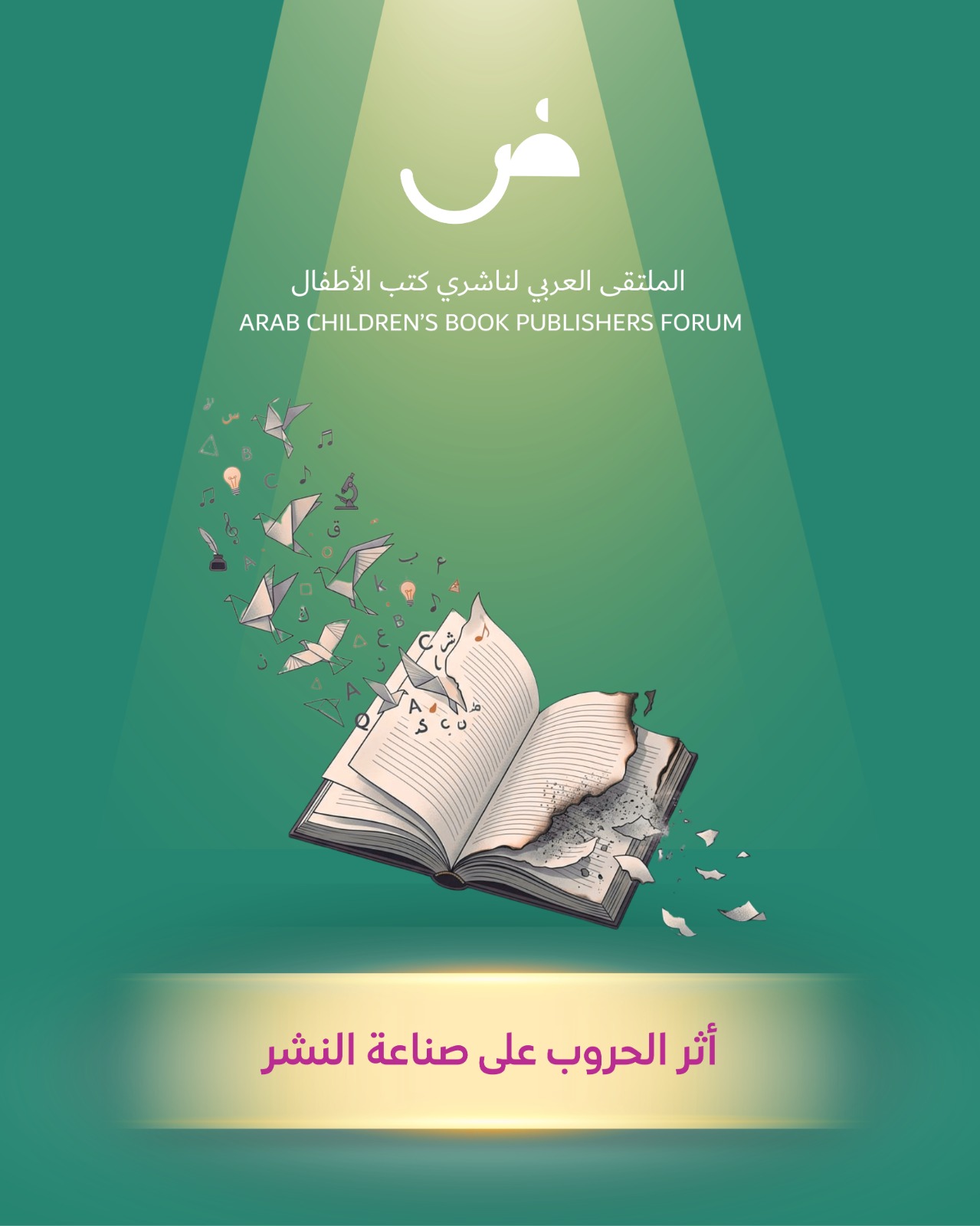
The Impact of Wars on the Publishing Industry
In Times of War, Hope for the Future Becomes Fragile Our world today is filled with knowledge that spreads across every corner of the globe through publishing. Publishing is a precious treasure that encompasses books, magazines, newspapers, electronic articles, and various forms of digital content. These resources help us develop ourselves and shape our future, which is built upon the knowledge and learning we acquire through publishing. Given its significance in our daily lives, it is important to understand how publishing began. The history of publishing dates back to the fifteenth century following Johannes Gutenberg’s invention of the movable-type printing press around 1440. This groundbreaking innovation enabled books and printed materials to be produced more quickly and efficiently, leading to a wider dissemination of knowledge and information. Over the centuries, publishing continued to evolve and expand. Numerous publishing houses emerged and played a major role in advancing the industry. Later, the advent of the Internet brought about a transformative leap, particularly through electronic publishing, which made it much easier to distribute books, magazines, and articles, benefiting countless seekers of knowledge and learning. Despite the remarkable growth and expansion of the publishing industry worldwide, several factors have negatively affected it, with wars being among the most significant. Wars have had a profound impact on publishing in several ways. First, wars often force writers to stop working due to political instability and security concerns. They may become unable to produce their creative works and experience fear, sadness, and despair as a result of displacement and the loss of their homeland. In such circumstances, hope for the future diminishes, and despair can take hold. As security and stability decline, a writer’s passion for creativity may fade, especially when writing itself becomes a threat to personal safety and freedom. This directly affects the writer’s ability to continue producing works that reflect their aspirations and ideas. Second, many publishing houses are forced to close because of shortages in the raw materials required for printing, such as paper and ink. These materials become difficult to obtain due to wartime conditions and rising costs. Furthermore, publishing facilities may suffer damage or destruction as a result of conflict, rendering them unable to continue operating. Together, these factors bring production to a halt and directly affect the availability of books in the market. Third, wars can sometimes destroy internet infrastructure, disrupting the publication of articles and the exchange of information. This negatively affects communication between individuals and institutions and hinders the flow of essential news and information. Such disruptions can limit access to reliable sources, contributing to the spread of misinformation, fake news, and rumors. Fourth, during times of war, publishing is often threatened by strict government censorship imposed on books, newspapers, and magazines. In some cases, authorities may even prohibit the publication of certain works altogether. Such restrictions limit intellectual diversity and literary creativity within the publishing industry, weaken freedom of expression, and reduce opportunities for cultural and intellectual exchange. Finally, it can be said that wars destroy nearly everything, including the publishing industry. They obstruct the very means through which we build a future enriched by knowledge and learning—the knowledge that inspires dreams and ambitions. Many individuals aspire to leave a legacy through books that express their ideas and preserve their names for future generations. Therefore, wars leave a profound impact on the publishing industry by limiting its role in transmitting ideas and facilitating the exchange of knowledge.
Ms. Lamees Mohammed Ali – Sudan - Researcher in Children's Culture
Read More
The role of children's stories in the educational process / the story of the writer Selma Lagerlöf as an example
Children get science and knowledge through the school educational system and the educational process in particular, within many changes that occur in their psychological, physical and mental development. It is noticeable that developed and developing countries exerted unremitting efforts to develop children’s upbringing and education, as they are keen on educating them and improving their conducts within a behavioral and developmental methodology based on sound foundations and values in line with the principles and policies of those countries. They also aim at caring about the learner and improving his behavior by intensifying intellectual and cultural details and behaviors within the school curricula. Can children’s stories enhance these details and behaviors in the educational process? The diversity in the audio-visual and sensory knowledge means contributes to the preparation of an integrative curriculum for the child, and the stories have an effective and direct impact on the child’s behavior, its refinement and improvement, in addition to their ability to mix the literary and imaginative side with scientific and historical facts without prejudice to the attractive and enjoyable aspect of story-telling. Stories encourage the child to use imagination, employ creativity and develop his verbal competencies, criticism and listening skills. There are many stories that reinforced and contributed to instilling the concept of education in children and adolescents, since the emergence of children's literature until the present day. We see that children's stories are scientific, religious and historical. Some of the stories aim at instilling lofty values and principles, and some of them enhance the concepts of citizenship and good morals. There are stories that support the scientific and imaginative aspects and others include a philosophical spirit. From the above stories we would mention an immortal global fictional example that was written in an unprecedented miraculous manner in both literary and educational history, which is the book “Wonderful Adventures of Nils”, which was published in 1906 by the Swedish writer, Selma Lagerlöf, winner of the Nobel Prize for Literature in 1909, as she was the first woman to get this prize. Selma started her writing project for this book upon the request of the “National Teachers Association” in 1902, since she intended to write a geography curriculum in which students would overcome the difficulty of this subject and the student would learn about the conditions of his country, Sweden, its wealth, and the diversity of its regions. The writer devoted three years of her life for writing her fictional story grafted with scientific material that included the Swedish regions, their trees, animals, topography and their inhabitants. The writer was not satisfied with all of these aspects, but she was also keen on enhancing her literary masterpiece with legends and folkloric songs to provide scientific material in a funny and exciting way for important age stages in the general national and cultural context of her country. The writer also made a significant linguistic development in her book at the verbal, grammatical and rhetorical levels. The simple story of Nils has shown a sign of transformation at the educational and national level, and the speed of its translation into other languages contributed to an amazing transformation in the educational process and the Swedish folklore at that time. The popularity of this book did not stop at this point, as it was turned into animated films which adults enjoy watching before children. Hence, we find out that stories have a prominent and pivotal role in the interactive, cognitive and educational development of the child if the appropriate standards for creative writing are exploited, away from direct indoctrination.
Heba Mandani - Kuwait
Read More
Translating and Publishing Children's Books
The subject of translating children's books has attracted growing interest among publishers and remains a recurring topic at cultural forums, particularly in events accompanying book fairs. This interest reflects several contemporary developments, most notably the unprecedented cultural openness brought about by globalization. Today, English and French are no longer the sole sources for children's literature translation. Other languages, including Chinese, Japanese, Hindi, and even several Latin American languages, have entered the field. These works have found their way into the Arab world through various channels, including modern digital technologies that have helped publishers discover new opportunities in international children's publishing. As this promising field continues to expand, an important question remains at the forefront of discussions among children's book publishers: What is the best approach to translating children's books into Arabic in a way that achieves the desired objectives? Answering this question requires careful consideration of several key factors. Which Book Should Be Translated? The first challenge facing children's publishers is selecting the right book. Not every children's title published in another language is suitable for Arab children. Winning an international award does not automatically qualify a book for translation, as many works are deeply rooted in the cultural systems of their original audiences. Publishers may encounter values, perspectives, or treatments of certain topics that do not align with the cultural context of Arab children. Therefore, careful selection remains the first prerequisite for a successful translation project. Leading children's publishers often maintain written guidelines and protocols to regulate the selection and translation process. The Professional Translator Once a title has been selected, the search begins for a qualified and professional translator. The translator is the cornerstone of the entire process, and their cultural knowledge, linguistic expertise, and literary sensitivity are crucial factors in the success of translated works. Many successful Arabic translations produced during the twentieth century owed their excellence to pioneering translators who were themselves writers, poets, and gifted literary figures. Their work resonated with generations of young readers. Today's translators face the challenge of continually developing their skills and keeping pace with the rapidly evolving publishing and translation landscape. Translation Strategy Children's books often contain symbols, names, customs, and cultural references that may affect how young readers engage with the text. This raises important questions regarding translation strategies and the degree of flexibility allowed when adapting content. Some authors and publishers insist that their texts remain unchanged, rejecting any modifications at the linguistic or cultural level. Consequently, publishing agreements should clearly define the extent to which adaptations are permitted when translating children's and young adult books. Publishing houses should also establish clear procedures identifying who is authorized to make editorial adjustments when necessary. Multiple Translations Another important consideration is determining whether a book has already been translated into Arabic or other languages, and whether translation rights are exclusive or available for additional territories. Major publishers may license translation rights on a regional basis, while others focus on language-based rights. Given that the Arabic language serves readers across twenty-two Arab countries, publishers must carefully assess rights agreements. Multiple translations of the same work can also create confusion among readers, a phenomenon that has occurred with numerous literary titles. Illustrations and Characters Experience has shown children's publishers that illustrations and characters play a vital role in children's books, especially during early reading stages. An important question concerns the publisher's ability to adapt visual elements to suit the cultural environments in which the translated book will be marketed. Critics have often highlighted the issue of transferring illustrations and scenes exactly as they appear in the original editions. Children are naturally more attracted to familiar environments and characters that resemble their own experiences. As the saying goes, "Like is drawn to like." Conclusion Translation remains one of the most important avenues for creativity, renewal, and cultural enrichment in children's publishing. It should remain open and active in order to continuously introduce fresh ideas and perspectives to young readers. When children's publishers address these considerations comprehensively rather than individually, they increase their chances of producing outstanding translations that enrich the Arabic children's library and provide meaningful added value for future generations of readers.
Prepared by the Editorial Department of the Arab Union of Children’s Book Publishers.
Read More
Grandmothers’ Tales and Children’s Literature
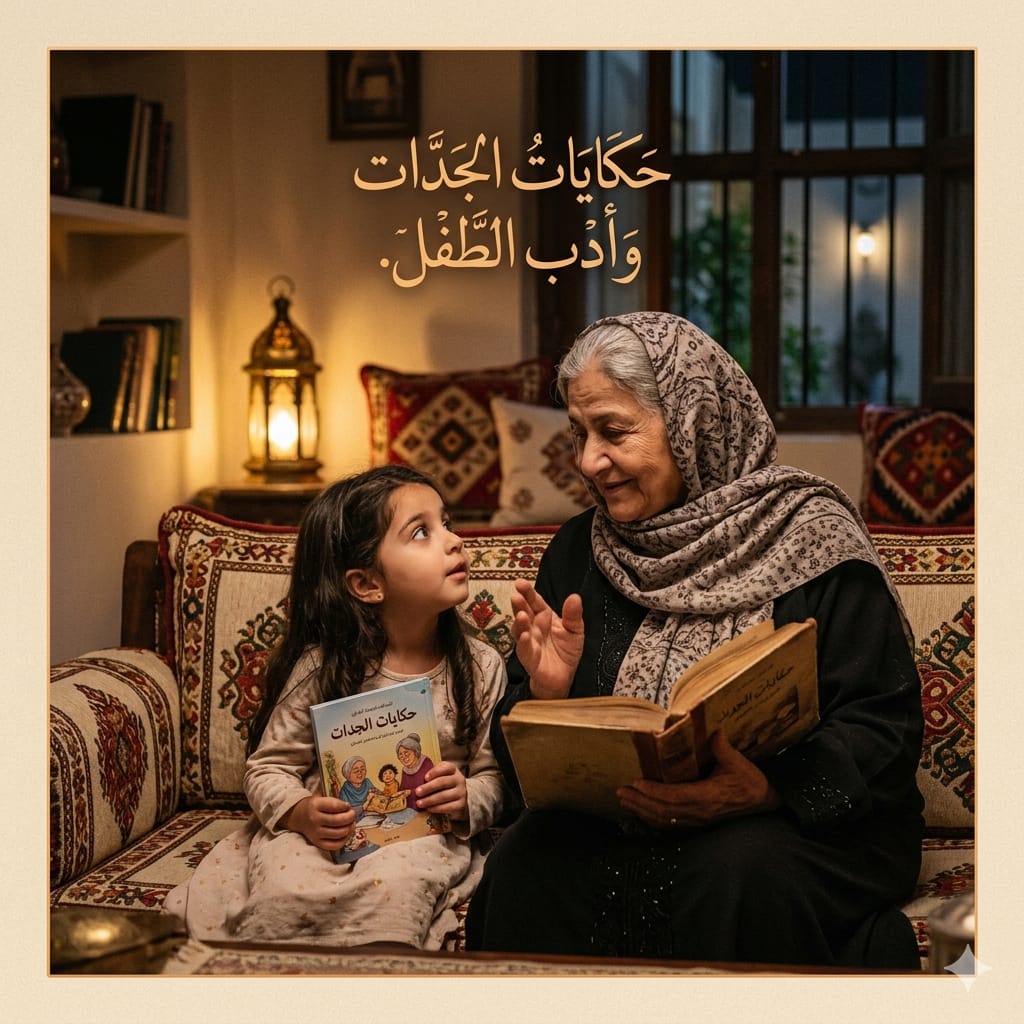
Grandmothers’ Tales and Children’s Literature Children’s literature, as we know it today in its written and printed form, did not emerge overnight. Like all other forms of literature, it passed through many stages before reaching its current shape. Storytelling was considered the very first and most important stage, especially because writing stories and preserving them in written form was once difficult. Therefore, oral narration became the easiest and most complete way to preserve and share stories. Storytelling methods varied from one storyteller to another, even when the main elements of the story remained the same. The style of narration often depended on the atmosphere and emotions the storyteller wished to convey to listeners. The storyteller usually aimed to deliver educational, moral, heroic, or historical messages, while emphasizing certain events or values. Sometimes storytelling included gestures and movements, while in many cases the narrator relied solely on the spoken word. As time passed, storytelling methods evolved. To attract children and provide more entertainment, enjoyment, and participation, storytellers began using puppets and moving dolls to represent different characters and bring stories to life. Despite these additional tools, the storyteller never abandoned the essential role of oral narration, changing the tone of voice between strength, softness, and kindness to suit each character being portrayed. In the beginning, storytelling was not considered a profession. Anyone with the ability to narrate events in an engaging and attractive manner could become a storyteller. Such individuals possessed the talent to present details in a captivating way that kept listeners eager until the end of the story. Over time, however, storytelling became a profession. Traveling storytellers emerged, searching for the best stories—whether ancient or contemporary—to share with children. This required constant travel and continuous training in entertainment and communication skills to attract larger audiences. Storytellers eventually had scheduled gathering times that children awaited with excitement and affection. Besides their ability to attract attention and directly influence children, storytellers were often characterized by kindness, honesty, tenderness, and credibility. In the absence of professional storytellers, grandmothers took on this important role. They narrated stories in ways very similar to traditional storytellers, but with a stronger educational and moral purpose. Through storytelling, grandmothers focused on teaching values, emphasizing goodness, and presenting stories with sincerity and emotional impact. Their tales often highlighted positive lessons and noble qualities that distinguished grandmothers’ storytelling throughout history. Despite the passage of time, changing eras, and the dominance of modern technology, grandmothers’ tales have not lost their essence. Grandmothers still tell stories in the same familiar and heartfelt way practiced for generations. What unites them all is a shared purpose: building balanced generations filled with noble values and positive qualities. Through charming and meaningful storytelling, grandmothers preserved the beauty of the past and passed it on to their grandchildren, ensuring that these timeless stories remain rich in elegance, depth, and authenticity. These tales come from loving hearts that strive to pass on the very best of earlier times in order to shape bright and promising future generations.
Dr. Shahinaz Aqabawi
Read More
Publishing and Distribution Challenges
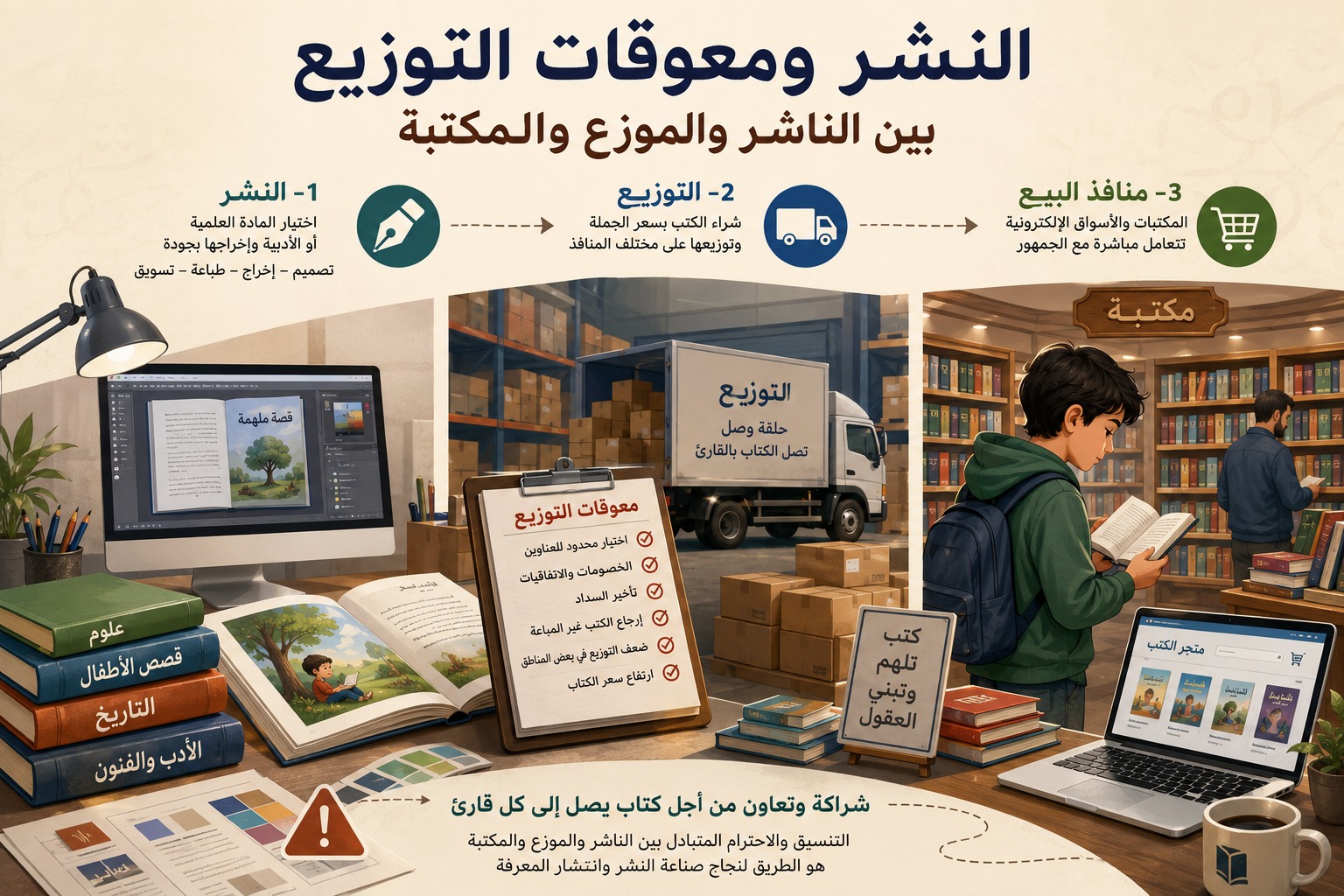
Publishing and Distribution Challenges The profession of publishing and distributing books, in all their forms, is considered one of the noblest industries and professions. It not only provides knowledge, culture, and literature — a continuation of the mission of prophets and messengers — but also engages with minds and seeks to nourish them with diverse sciences and ideas. Publishing houses constantly interact with scholars, thinkers, writers, students, and readers. The publishing industry is divided into three important stages before a book reaches readers or markets. The first stage is publishing itself, which includes selecting the scientific or literary content and presenting it in a form that reflects the publisher’s identity and suits the reader or audience. This stage also involves design, layout, printing, and marketing. The second stage involves distribution companies, which purchase books wholesale from publishers and then distribute them through various outlets such as public and private bookstores, as well as online stores. The final stage is sales outlets or bookstores and online marketplaces, which deal directly with the public through sales. Sometimes these stages overlap; some publishers may handle distribution themselves, while some distributors may sell directly to consumers. Each stage has its own advantages and challenges. Publishing houses choose authors, manuscripts, printing methods, and layouts, then manage marketing, pricing, and distribution channels. One of the major challenges publishers face is that they cannot force distributors to carry all their titles. Distributors often select only certain books based on their own preferences and market vision. As for distributors, they may not participate in selecting the content or bear production costs such as authors’ fees, design, printing, or marketing expenses. Instead, they choose titles they believe suit their business interests. In many cases, distributors pressure publishers regarding pricing, discounts, and display methods while focusing mainly on distribution efforts. Some distributors require books to be supplied on a consignment basis, meaning payment is only made for sold copies, while others reserve the right to return unsold books. Distribution challenges also arise because distributors do not control the content, authors, or production quality, in addition to their limited influence over book pricing set by publishers. Bookstores, on the other hand, benefit from direct interaction with readers, allowing them to gather genuine feedback about books. However, they also face difficulties, including limited shelf space, the vast number of titles available, multiple editions, varying prices, and differing discount rates offered by publishers. Focusing on the relationship between publishers and distributors, publishers are expected to dedicate themselves to selecting quality works, collaborating with authors, illustrators, and designers, and overseeing printing, production, marketing, and fair pricing to ensure sustainability. Yet, a major issue remains: many distributors view publishers primarily as profit-driven businesses without fully appreciating the challenges publishers themselves face. Many distributors insist on exclusive agreements that prevent publishers from distributing through other channels, while still reserving the freedom to select titles, quantities, and supply contracts for government tenders and institutions. This reduces publishers’ ability to showcase all their products freely. In some regions, weak distribution networks also limit book availability, and sometimes distributor profit margins exceed those of publishers, resulting in higher book prices and reduced accessibility. Personal relationships can also influence dealings between distributors and publishers. Some distributors prefer working with publishers that offer larger discounts or maintain favorable relationships with distribution managers. Additionally, distributors may delay payments until they receive funds from bookstores or marketplaces, which in turn delays payments to publishers. Ultimately, the relationship between publishers and distributors is a strategic partnership built on cooperation and coordination to achieve success. Overcoming these challenges and improving collaboration can help both parties achieve shared goals and reach wider audiences.
Mr. Adel Abdel Samea
Read More
Where Are the Bestselling Children’s Books?
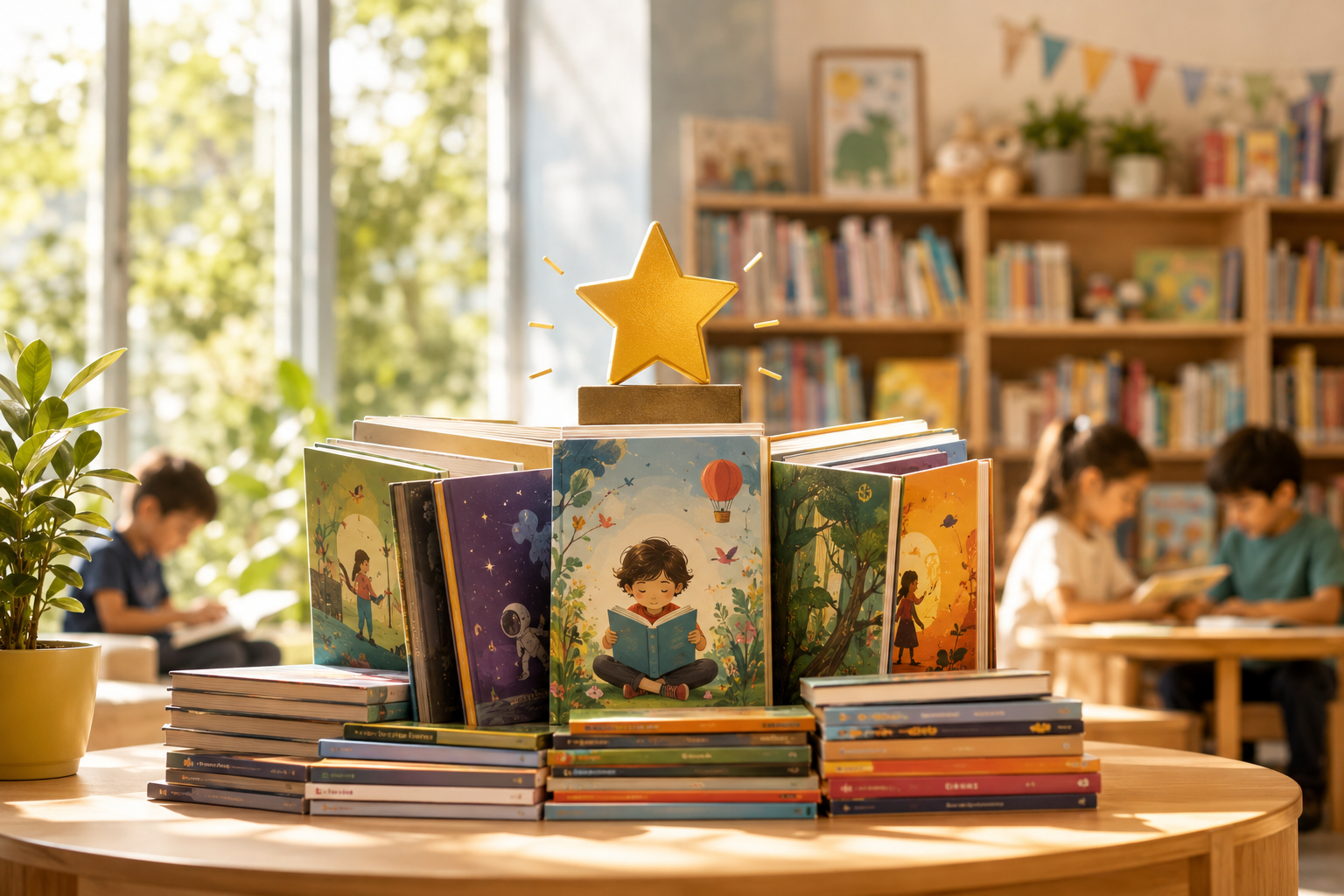
Where Are the Bestselling Children’s Books? One cannot fail to notice the significant gains that Arab children’s books have achieved over the past two decades. This field has witnessed growing awareness, culminating in the emergence of numerous specialized publishing houses and professional entities. Children’s publishing has become an increasingly independent sector, which has encouraged the rise of many related activities and events. It is worth noting that initiatives aimed at drawing attention to books are experiencing remarkable growth, especially in developed countries. These initiatives have introduced various innovative methods, including reading competitions, highlighting a specific book, or focusing on a particular category of books such as announcing bestsellers, most popular books, or most widely circulated titles. All of these serve as incentives that spark a love of reading and encourage book purchasing. Such initiatives have played a major role in attracting readers and intellectuals. Through the spotlight on a specific book, readers can be guided toward a broader engagement with publishers’ catalogs. This is considered an advanced practice that deserves recognition and support. These pioneering experiences are also worth adopting, as there is nothing preventing children’s book publishers from applying them in ways that suit their capabilities and local context. Here, the role of forums, publishers’ unions, and reading associations becomes essential, as these institutions can effectively contribute to organizing such emerging practices in gradual forms. For example, they could launch an initiative for “Bestselling Children’s Books” during specific book fairs such as the Sharjah Children’s Reading Festival or other Arab book fairs. They could also organize events under the theme “Most Popular Children’s Books,” based on the availability of selected children’s books in a particular library or a network of libraries. Initiatives focusing on popular books, in their various forms, provide researchers with highly valuable data. They help identify children’s reading preferences for specific types of books, whether during a particular season or period. Such statistics also enable more accurate studies on readership, reading patterns, and comparative analyses. What encourages the adoption of such ideas in the children’s publishing sector is the flexibility that allows multiple implementation options. However, the most important factor is the consistent effort to provide the necessary data, which is not difficult to obtain. It can be gathered from publishing lists available with publishers and associations. Once this is achieved, the opportunity becomes ripe for organizing such innovative and dynamic initiatives, which can further be developed through careful evaluation and continuous improvement of the experience.
Prepared by the Editorial Department of the Arab Union of Children’s Book Publishers.
Read More
Poetry in Children’s Books: Is Its Absence Continuing?
Poetry in Children’s Books: Is Its Absence Continuing? Critics of children’s literature have long and consistently raised the issue of the absence of poetic content in Arabic children’s books, and they are justified in doing so. A review of catalogues from specialized publishing houses reveals that many are devoid of poetry collections for children. On a broader level, a visit to book fairs is sufficient to confirm this absence; in both cases, researchers will not need much effort to notice this unjustified scarcity of such publications. It is striking that this absence has persisted despite repeated warnings across various conferences, seminars, and articles, all of which have continuously highlighted the scarcity and near disappearance of poetry from the field of children’s literature. There is no doubt that those who raise the issue of the absence of poetry in Arabic children’s books are fully aware of the profound impact of poetry on children. Poetry has a strong emotional influence and a remarkable ability to shape imaginative and elegant forms that can be filled with meaningful content. This is achieved when the poet master's clarity of style, musical rhythm, and clear meaning, along with graceful expression and evocative imagery. In fact, some poets have succeeded in presenting their poetic work in a beautiful form that appeals to children, who receive it like songs and carry it with them as melodies. Indeed, critics’ calls regarding the absence of poetry deserve careful study and deeper examination. Likewise, concerns about the decline in publishers’ interest in poetry call for bold initiatives that bring together publishers and Arabic poets. Arabic, our beautiful language, has never ceased to produce outstanding creative poets. Is it reasonable, then, for children’s poetry to remain confined to the legacy of great pioneers such as Ahmed Shawqi and the great poet Suleiman Al-Issa in his children’s poetry collection?
Prepared by the Editorial Department of the Arab Union of Children’s Book Publishers.
Read More
Children’s Book Publishers: Between the Local and the Global
Children’s Book Publishers: Between the Local and the Global The new generation of children’s book publishers is making notable efforts to move toward globalization. Through professional practice, they have come to realize that the narrow classification of “local publishing” no longer satisfies their ambitions in a publishing world that is constantly interacting with rapid changes. These changes have left their impact on various professions and fields, including publishing, which in some Arab countries has reached a critical turning point. This has pushed publishers to seek solutions through available options and alternatives, most importantly repositioning themselves in order to address spatial fragmentation in professional practice—a concept often referred to as the dialectic of (local vs. global). Local publishing requires the children’s book publisher to remain firmly rooted in his geographical space and legal place of operation, allowing him to remain an active and influential player in his field. Global publishing, on the other hand, implies going beyond geographical boundaries, making the publisher an integral part of the global publishing landscape with all its conditions, standards, and regulations. Such requirements demand a high level of awareness and professional culture capable of managing a gradual and well-planned transition to globalization. This is not achieved in a single leap, but through a step-by-step process that includes openness to the best alternatives, policies, and practices. Among the most important of these are: First: Mergers and Consolidation Policy Mergers and consolidation are among the most important professional strategies that help publishing houses achieve global reach. The individual publisher with limited capabilities, or the traditional small-scale publisher, is increasingly less able to survive in a rapidly changing environment full of unpredictable challenges. Therefore, mergers and other collaborative models provide a strong foundation for children’s book publishers to move toward globalization. Experience has shown that such models are effective in achieving major goals, while also offering protection against professional instability and unexpected disruptions. However, their success depends primarily on awareness and on the belief of “merged” publishers in collective work as a necessary strategy to achieve shared goals. Second: Specialization Policy Specialization opens wide doors for children’s book publishers to reach global markets, as it enables the achievement of higher quality standards and transforms children’s books into globally accepted “products.” This is done by focusing on a specific niche, in line with the broader trend of specialization that has become dominant across sciences, arts, literature, and professions. In children’s publishing, there are several forms of specialization, including: A. Translation Specialization Translation is one of the most important forms of specialization. It is worth recalling that the early foundations of Arab children’s books were originally based on translation, particularly from French. Arab envoys to France in the eighteenth century were impressed by the remarkable development of children’s books there. Upon returning home, their first initiatives included translating several books, which became among the earliest modern Arabic children’s books. It is also important to note that many specialized children’s publishing houses in Europe, America, and other developed countries adopt a strict strategy of extensive translation from various literatures and cultures, making it a distinctive feature of their production. B. Field Specialization Alongside translation, field specialization is one of the most prominent strategies in children’s publishing. Some publishing houses focus exclusively on scientific books, while others specialize in storytelling, novels, science fiction, travel literature, biographies, or specific personalities, among other fields. Some believe that field specialization provides a safe and effective pathway for Arab children’s books to reach global markets, as it encourages both authors and publishers to produce high-quality, precise, and credible content. In addition to translation and field specialization, some publishers adopt style-based specialization, such as producing silent books that rely solely on illustrations without text, or focusing on screenplay-based formats. Others adopt dual specialization, combining two or more areas as part of a risk management strategy. C. Regional Specialization Regional specialization is a relatively new trend that has emerged in response to the desire of Arab families living abroad to raise their children in Arabic and maintain their cultural and linguistic identity, thereby protecting younger generations in distant diaspora communities. Third: Global Content Global content in children’s books is one of the most debated issues, particularly among literary agents who argue that not all content in Arab children’s books is suitable for global audiences. They emphasize the need to consider shared human values across nations and cultures, while avoiding isolation and overly localized or simplistic topics. Creativity has become an urgent necessity in producing pioneering content capable of capturing children’s attention everywhere, by addressing their interests, stimulating their imagination, and engaging their sense of wonder, aspiration, and curiosity. Fourth: Visual Identity Policy Many publishing houses place great importance on visual identity, considering it a key marketing strategy that supports their journey toward globalization. With the expansion of markets and the diversification of consumer preferences, publishers have increasingly focused on strengthening their visual identity. Recently, there has been growing enthusiasm among publishers regarding visual identity, with some even revisiting their logos, strategies, values, vision, and mission. These elements contribute to creating a strong and influential visual and mental image that highlights the uniqueness of the publishing house and integrates it into the perceptions of consumers worldwide. Conclusion The path toward globalization remains open to all publishers who wish to pursue it. All routes can lead there, provided the publisher is capable of working with available options, policies, and professional strategies. However, it must always be remembered that tomorrow will not be like today in a world where the wheel of change never stops turning.
Prepared by the Editorial Department of the Arab Union of Children’s Book Publishers.
Read More
Dialogue as a Catalyst for Developing Children's Creative Thinking Skills
Engaging in a dialogue with children is a reflection of human maturity and cultural depth. It is an effective strategy, serving as a gateway for parents, educators, and caregivers to access the child's inner world, a world rich with ideas, and vision , where thoughts , imagination, and perceptions are mixed . In light of the social disconnection caused by modern passive media consumption leading to reduced interaction between parents and children, and even among brothers and sisters, dialogue emerges as a vital means of connecting with children's minds and emotions. Through dialogue, we can better understand them, convince them and influence their values, and guide them towards upright behavior, empowering them to become responsible members of society capable of serving their communities and contributing meaningfully to achieve its high goals in the near future. Furthermore, dialogue plays a significant role in nurturing children's creative thinking. It offers a space for openness, comfort, and positivity. It enhances children's communication and life skills, shapes their personalities, builds self-confidence, and enables them to express their thoughts freely, eloquently, and clearly. On the other hand , dialogue also instills values of understanding and empathy with others , and serves as a powerful tool for education, skill development, and the formation of sound perspectives about life, humanity, and the universe. It stimulates creativity talents provided we thoughtfully choose the topic, environment, approach, and logical reasoning that align with a child's level of understanding and emotional world. Moreover , dialogue opens new horizons for parents and educators, helping them decode their children's personalities, understand their inner worlds, and select the most effective educational approaches tailored to their individual traits and needs laying the foundation for informed, conscious parenting and education. Key Tips for Effective Dialogue with Children : Acknowledgement and respect of the child's status and individuality, considering their age and developmental stage, providing them with a sense of safety, trust, and comfort, accepting and welcoming their ideas with an open mind, and listening to them attentively without interrupting and responding them calmly, wisely, and in a manner appropriate to the child’s cognitive level
Dr. Badr Al-Hussain
Read More
A Publisher’s Dream in the Social Media World
We can almost all agree that the publishing field was one of the first major areas to be notably affected—at an early stage—by the enchanting realms of connection and communication brought about by the internet. These networks have overshadowed many aspects of the publishing process, including the production of the book itself. During an interview at a book fair, I put forward a proposal that was greatly appreciated by the audience for its originality and novelty. The idea revolves around engaging all parties involved in the book-making industry in an exciting experience. This journey would include all the steps and procedures of book creation—starting from the manuscript, moving through editing and proofreading, then illustration and design, followed by printing, and finally distribution to the beneficiaries. This process involves the direct participation of the author, illustrator, designer, and professional distributor. The book then moves on to the reading phase, where a large number of children—attracted from many countries around the world from among Arabic speakers. After the book has been produced and read, feedback is collected to evaluate the outcome. Suggestions for improvement are then implemented, followed by a study and investigation into the impact the book has had on its readers. Undoubtedly this is an exciting experience—a call to every person has the ability to create, to embark on this worthy journey. It is worth noting that there are many potential participants who could engage in such an initiative, and they themselves will reap many benefits from their involvement. I hope that my fellow publishers will enrich this idea with their insights, and I sincerely hope that the opportunity arises to bring this concept into a tangible reality for all to see. I had this idea and took shape as I contemplated and reflected with colleagues on the discussions taking place in publishing communities about the pros and cons of media and their impact on publishing.
Hasan Wahbah
Read More
Challenges and Solutions
Children's books are among the most important tools for shaping children's awareness, developing their imagination, and nurturing their linguistic and social skills. With the growth of the publishing industry, number of children's book releases has increased significantly. However, this quantitative expansion has not always been accompanied by a qualitative improvement that truly addresses children's developmental needs at different age levels. Characteristics of Children's Books by Age Group: • Early Childhood (Under 6 years): At this stage, children rely heavily on sensory perception and visual interaction. Books should therefore feature bright colors, large illustrations, and simple language with repetition and rhythm. Fabric and board books, as well as interactive books that incorporate touch and movement, are ideal for stimulating the senses and fostering a love of reading. • Middle Childhood (Ages 7–11): Children begin developing independent reading skills and need stories with engaging plots and relatable characters. Language should remain accessible but rich in vocabulary. Stories with educational and moral themes help children understand social relationships , develop critical thinking, and explore the world around them. • Adolescence (Ages 12–16): Teenager readers seek books that reflect their personal experiences and explore themes such as identity, ambition, and societal challenges. At this stage, teenagers appreciate more complex narratives, higher literary quality, and genres. Moreover, novels, science fiction, and realistic fiction encourage reflection and self-exploration. Few Key Observations: 1- Lack of specialized professionals in children's book production 2- Children's book Industry: A growing number of publications, yet a shortage of high-quality content 3- Lack of innovation in interactive design in children 's books. The Future of Children’s Publishing: Challenges and Opportunities Despite the several obstacles facing children's book publishing, it is the time to move beyond traditional formats and embrace emerging technologies. Innovations such as 3D printing, augmented reality, sensory books, and interactive content can transform reading into a richer and more immersive experience. With a strategic vision that prioritizes quality, creativity, and innovation, the future of children’s publishing holds great promise. A new generation of readers can discover in books their first window to knowledge, imagination, to be a tool for developing their thoughts and increasing their awareness .
Ibrahim Sanad
Read More
ثقافة الإصلاح في قصص الأطفال
زخر تراثُ أدب الطفل بحكايات ذات دلالة سياسية كحكايات "كليلة ودمنة" الذي ترجمه عبد الله بن المقفع للعربية، و"حكايات آيسوب"، حيث ضمَّ الكتابان الأمثالَ والحِكَم ومغامراتٍ ناقدةً الحياةَ الاجتماعية، وداعية للإصلاح الاجتماعي. ولتفادي السخط والنقد قصَّت الأحداثَ بأسلوب هزلي على لسان الحيوانات؛ مما أدى لاستمرار سردها وترجمتها وإعادة صياغتها لتناسب مختلف الأعمار والأجيال. أحدث التغيرُ المتسارع في أنظمة المجتمعات والتوجهاتُ الفكرية الحديثة انشغالَ كُتّاب أدب الطفل عن الوعي المجتمعي وثقافة إصلاح قضايا الفساد، بالرغم من تعدد نوافذ الإعلام المؤثرة على ثقافة الطفل واتساع معارفه وتعايشه مع المواقف المختلفة كالسياسية والاقتصادية داخل المجتمع. لتأتي الكاتبة الكويتية "لطيفة بطي" وتعيد نهجَ قصص الإصلاح السياسي بنص ممتع بعنوان "فريج ضيم" رسوم "هناء أحمد" وإصدار سيدان عام 2022. نصٌّ يسرد أحداثًا مؤسفة تَطالُ أهلَ "فريج ضيم" نتاجَ منافسة غير شريفة بين الجارتين "زوغة" و"صوغة" بذلت كلٌّ منهما الجهدَ للتفوق على الأخرى في بيع الحليب لأهل الفريج، ليتفاقم جشعُ "زوغة" وطمعُها فيتجاوز حدودَ الجارة، ويطال خداعُها استغلالها أهلَ الفريج كافة؛ مما تسبب بأضرار مادية، وصحية، وبيئية لسكان الفريج، تناقلت الصحفُ العالمية الأخبارَ لتتدخل هيئة الأمم المتحدة باستعجال لحل القضية. ولتعدد قضايا القصة وأهدافها، تطلَّب النصُّ التحررَ من التقليدية والنمطية بخلْق نهْج مبتكر دافع للسخط، قريب من لغة الطفل وبيئته. لذلك لجأت الكاتبة لنسج القصة بأسلوب مبهر جامعةً عدةَ مناهج كتابية مختلفة، متلاعبة بعناصر القصة (الزمان، المكان، الشخوص)، دامجة بين الماضي والحاضر، موجدة لغة حوارية ونصية متشابكة، مستندةً على فكاهة الرسوم والإخراج. وبدا النصُّ مفعمًا بالرسائل الظاهرية والمبطنة. وقد عكس الصراع بين شخصيتي القصة (زوغة، صوغة) قضايا مجتمعية ذات أهمية، منها: • القضايا الاقتصادية، كالديون وسرقة المال العام. • القضايا السياسية، الانتخابات والوعود الكاذبة. • القضايا الاجتماعية، الواسطة وإهمال أصحاب الخبرة والعلم، وقضية البدون. • قضايا الإعلام، وتأثيره على ثقافة المجتمع والذوق العام. • القضايا البيئية، كالتلوث، ثقب طبقة الأوزون. ولتشعّب القضايا ومساسها المباشر بالمجتمع وجبَ على الكاتبة الحذق والمهارة والتلون في تبيان الفكرة والنص، فكل قضية تؤثر على شريحة مجتمعية، ومن هنا تتجلى روعة ازدواجية العمق الفكري وبساطة النص؛ لتقدّم كتابًا يحترم عقلَ الطفل، ويخاطبه من عدة زوايا تعدّ كلٌّ منها نافذةً يطلُّ بها القارئ على موضوعات القصة، وتعد النوافذ تلك سرَّ تكامل العمل وتميزه، حيث قسَّمت القراءةُ التحليلية التالية نجاحَ العمل لأربعة عوامل رئيسة، هي: أولًا: الأصالة والحداثة "ازدواجية الماضي والحاضر" أحيا قلمُ الكاتبة الحكايات الشعبية بإعادة صياغتها مع الحفاظ على العناصر الأساسية للقصة، أو بالجمع بين أصالة القصة والتغيرات المتسارعة والمستحدَثة في المجتمع، وأتقنت "بطي" توظيفَ الشخصيات التراثية بصورة مبتكرة وشائقة، دامجةً بين الواقع والخيال لتنفرد بسياق قصصي ذي بصمة تراثية حضارية كوميدية تفاجئ القارئ بتطور الأحداث وتصاعدها بانسيابية وتشويق مستمر موجدة لغة مشتركة بين ماضي الأجداد وحاضر الأبناء لتنبثق جمالياتُ النص في موارد عدة نذكر منها ما يلي: 1- انطلقت الحكاية من نوع القصص الممتدة التراثية، حيث يعتمد هذا النوع على توالي الأحداث وترتيبها، فحدثٌ يعتمد على سابقه، ومهنة تعوّل على أخرى. فتكامل الحياة قائم على تعاون الأفراد وحاجتهم لبعضهم، هذا المعنى للتكامل يحقق العيشَ الكريم للأفراد، والاستقرارَ النفسي والاجتماعي والمالي من جهة، ويبين الترتيبَ المنطقي والتسلسلَ الطبيعي لحياة البشرية من جهة أخرى، والذي تجلى في القصة بحصاد المزارع وبيع البرسيم لمربي الماشية لإطعام الأبقار وإنتاج الحليب لبيعه في السوق من قبل الباعة. وبذلك وظفت الكاتبةُ بذكاء العباراتِ البسيطةَ المدعَّمةَ بصور توضيحية ليتحقق أمران؛ الأول: تعزيز مفهوم استمرار الحياة الطبيعية بتعاون العمل وتكامله بين أفراد المجتمع، والثاني: بيان الأثر المترتب على صفتي الجشع والطمع وانعكاسهما السلبي على طبيعة الحياة البشرية وهدمها مصالحَ الأفراد، وهي رسالة ذكية تمكّن القارئ الصغير من قياس الفارق بين الامتداد الطبيعي للحياة وبين العمل القائم على الجشع والتعدي على حقوق الآخرين، حيث تجلى الأثر بوضوح للقارئ بعد سيطرة "زوغة" وهيمنتها على سوق بيع الحليب وأثر ذلك في إهلاك العاملين في القصة، ليمثل الحدثُ ذاته مرحلةً انتقالية من المنافسة غير الشريفة إلى السيطرة على أهالي الفريج وثرواتهم والتحكم بسوق العمل. 2- من جماليات النص اشتقاق الكلمات من اللهجة الكويتية، وإن كان للفظها أصلٌ في اللغة العربية، واستلهام الكاتبة الكلمات الكويتية من صحاح اللغة العربية حقق قراءات عدة، أحدها بُني على المعنى الظاهر للهجة العامية؛ لتضفي روحًا تراثية قرَّبت القارئ إلى النص، فاستشعر أهميةَ الأحداث وأثرَها على المجتمع، والآخر المعنى الباطني لأصل الكلمة باللغة العربية؛ لتبين الكاتبة عمقَ اللغة العربية وأهمية الحفاظ على اللغة العربية وتحقق خطابًا مزدوجًا يُسَهّل إيصالَ الفكرة وفهمَ المعنى. وفّقت الكاتبةُ في اختيار الألفاظ الكويتية بدءًا من العنوان إلى أسماء الشخصيات والمرشحين وآخرين، نذكر منها ما يلي: • "فريج ضيم" عنوان يسلط الضوءَ مباشرةً على مكان أحداث القصة، حيث يتضمن مضمونه الكثيرَ من الإيحاءات المثقلة بالهموم والألم؛ فالفريج في اللهجة الكويتية هو الحي الذي يسكنه الناس، وفي اللغة "الفرقة" طائفة من الناس، لتجمع كلمةُ فريج المعنين المكان والأفراد (المتمثل بشخصيات القصة) حيث يتشارك أهلها بالمصالح والأهداف والقضايا فضلًا عن دفء العلاقة بينهم والتقارب والجيرة. وصْفُ الفريج وأهله بالضيم، الذي يُعرَف في اللغة بالظلم والتعب، لهو تعبير صريح عن الحالة النفسية والاجتماعية والمادية السيئة لأهل الفريج التي أوجِدَت جراءَ جشع "زوغة" وطغيانها، ليشير العنوانُ المبنيُّ على اللهجة واللغة إلى رؤى متعددة منها خضب القصة بطابع التراثية، كما تعرف الصغار باللهجة الكويتية وتعزز مفرداتها، وأخيرًا تشويق القارئ لمعرفة حكاية الفريج واستثارة فضوله لمعرفة علة نعته بالضيم. • ثراءٌ لغوي للكاتبة نسج رباطًا وثيقًا بين اللهجة واللغة، ليقدمَ قراءةً متناغمة بين ظاهر المعنى وباطنه، تجلى في استنباط الأسماء من اللهجة الكويتية كاسمي "زوغة" و"صوغة" بالرغم من انعدام استخدام الاسمين في الحياة المجتمعية إلا أن في الأمر دلالات تكشف سماتٍ داخليةً حُجبت بسلوك خارجي، وبانتقاء حاذق للأسماء حفزت القارئ لاكتشاف خبايا الرموز لكل من "زوغة، صوغة". "صوغة" من العادات الاجتماعية الجميلة وهي هدايا المسافرين التي يأتون بها من السفر، أما "زوغة" فهي تعبير باللهجة الكويتية للإيحاء بجمال الشيء وروعته. اشتركت الكلمتان بجمال الشيء ظاهريًّا، واختلفتا في المعنى العام لأصل الكلمة لغويًّا، ليكتشفَ القارئ فهمًا أدقَّ وأعمقَ لكلا الشخصيتين. ففي المعاجم العربية "صوغة" اسم من الفعل صاغ الشيءَ أي صنعه، ويقال صاغه الله أي خلقه الله، ولا يكون خلقُ الله إلا جميلًا، أما لفظ "صوغة" في اللغة سكبة فتُستخدَم في صياغة الذهب وتشكيلة وصناعته، ليتضمن الاسمُ لهجةً ولغةً المعنى الجمالي، ويتجلى المعنى للقارئ في جمال أصالة عمل "صوغة" واجتهادها لصياغة الأفكار لإنتاج مشروع لكسب المال الحلال. تمثل "زوغة" جمالاً ظاهري أكد المعنى المتعارَف عليه باللهجة، وعُزِّز بالرسوم التوضيحية وبلباقة الحديث والإقناع اللذين تمتلكهما "زوغة"، ذلك القناع المزيف كشفه فعل اسم "زوغة" الذي جاء من زاغ أي مالَ وانحرفَ كما انحرفت شخصيتُها عن جادة الصواب لتتعدى الشرعية والقانون وتصبو لكسب مادي بالمراوغة والخداع. • يتسع الثراء اللغوي "لبطي" لتستلهم أسماءَ مرشحي انتخابات الفريج من الأمثال الشعبية، التي تُعدُّ حكمةَ الشعوب، ليُوظف بحنكة للإشارة المجازية عن بعض القضايا والمشكلات المجتمعية من جهة، وخذلان أصحاب الرئاسة من جهة أخرى. ومن خلالها تصبو الكاتبة لأحد أهداف القصة بأسلوب هزلي مقتضَب يقلُّ بها الكلام ويتسع المعنى، لتبعث رسالتين؛ إحداهما لأهل الفريج لتوقظ الوعيَ والإدراكَ للتمييز بين الصالح والطالح، والأخرى للقارئ ليستنبط الحكمة من المثل، وعلة الاستخدام المغاير للأمثال لتنوير بصيرته، بذلك لا يقتصر توظيفُ الأمثال كأسماء، بل هي سمة للمرشح وما ستؤول إليه البلادُ وثروتها بتولي المناصب. ولتوضيح المقصد نذكر بعضَ ما ورد في نص القصة ملازمًا لما رمَزَ من الصفات وتبيان المعنى المقابل له. "من صادها بن معشى عيالها" المقصد الاستغلال مقابل العدل. "حاميها بن حراميها" المقصد سرقة المال العام مقابل الأمانة. "خشمك خشمك بن لو كان عوي" المقصد الواسطة مقابل المصلحة العامة. "عط الخباز خبزك لو أكل نصه" المقصد اختيار الكفاءة والشخص المناسب للعمل. "اللي ما يعرف الصقر بن يشويه" المقصد الجهل مقابل العلم. "ليحبتك عيني بن ما ضامك الدهر" المقصد التحيز مقابل الإنصاف. • يستمر النص بتضمين كلمات تراثية كالأكلات الشعبية مثل "الدرابيل"، وتوظيف كلمة "التجوري" للإشارة للكنز المدفون في أرض الفريج، والقارئ للنص بإمعان يعي المقصد من التجوري باعتباره ثروة البلد ومصدر الدخل الأول "النفط"، وعُلَل ذلك بأمرين؛ الأول لا حاجة من دفن التجوري لصلابته وثقل وزنه، والثاني: للإشارة الرمزية للنفط كثروة موجودة في باطن الأرض، كما في دفن التجوري دلالة فنية مُستلهَمة من الحكايات الشعبية، وفيه تعزيز للروح التراثية للقصة. ثانيًا: الخطابات النصية المتعددة: تعددت الخطابات وتنوعت ما بين النص السردي، الإعلانات، أخبار الجرائد والصحف، الهاشتاق، والأفكار الداخلية المُعلَنة للشخصيات، وكان لتعدد الخطابات أهداف منها: إيضاح الفكرة بإيجاز ودون إسهاب لتفادي ملل القارئ وتشويشه، توجيه غير مباشر لانتباه القارئ لبعض الرسائل المبطنة وعلل أسباب الأحداث، توعية القارئ الصغير للتأثير المباشر للإعلام على ذوق القارئ واهتماماته وأفكاره. ثالثًا: لغة الرسم والخطاب الجسدي: تكامل النص برسوم فكاهية ساخرة مع وضوح بساطة الحياة وتقارب العناصر البيئية كالمنازل، والملابس، مع بيئة المجتمع الكويتي، عبَرت عنها ريشة الفنانة بصدق مشاعر شخصيات القصة وآمالهم وآلامهم وبدت المشاعرُ جليًّا من تعبيرات الوجه، والحواس الجسدية (كالحركات، والمؤثرات المصاحِبة للشخصيات، والجيوب الفارغة المتدلية للخارج، وتنكيس الحقائب النسائية للدلالة على الأزمة المادية لأهالي الفريج). رابعًا: أثر الخطاب الإعلامي على الذوق العام: للخطاب الإعلامي قدرة على التغلغل في أعماق المجتمعات، وتغيير الثقافة، وتوجيه الذوق العام كما يشاء أصحابُ الرأي، وكان الصوت الإعلامي عاليًا ذا تأثير مباشر على ذائقة وثقافة أهل الفريج، وبدا بوضوح من خلال الترويج للبضائع، ومنافسة البضائع الأجنبية للمنتج المحلي والضرر السلبي المباشر على التاجر المحلي، والترويج لمنتجات رديئة بتكلفة مالية باهظة، وأخيرًا تأميل أهل الفريج برؤية متطورة وحديثة دون تغيير واقعي ملموس. وجهت الكاتبة خطابًا إعلاميًّا مغايرًا للقارئ بتوخي الحذر والوعي واليقظة الذهنية عند تلقي الرسائل الإعلامية بمختلف وسائطها. انتهت حكاية "فريج ضيم" ومازال مصيرها غامضًا، غُيّبت عن أهل الفريج لكثرة المتاعب والمشكلات، كمصير الرجل العالق في الهواء يبقى وحيدًا يعوم في السماء كالبالون الطائر وهي ذات دلالة عميقة للإخفاق في معالجة بعض القضايا المجتمعية. يعد "فريج ضيم" إنتاجًا قصصيًّا فريدًا يقدم رؤى مختلفة لثقافة الطفل، ومنحى فكريًّا منبثقًا من بيئة المجتمع، وهذا أمر يُحسَب للكاتبة بقدرتها على قراءة القضايا المجتمعية وسردها بأبعاد تراثية حضارية كوميدية تتناسب وعمر الطفل.
بتول أحمد خميس
Read More
A critical reading of the winning works of Arab Children’s Book Publishers Forum’s Award - Eighth Session of 2021
Based on this reason, the creative awards in the reality of ArabIt is an interesting thing to be invited to have an entertaining and exciting reading of books that overflow with pleasure and suspense; on one hand, and with a lot of novelty and innovation, on the other hand. This is what happened actually. I had the honor to receive a kind invitation from the management of Arab Children's Book Publishers Forum, for which I wish all the best, as I was instructed to have a critical reading for the winning works of the Forum’s Award in its eighth session of 2021. I was fully aware of the value of this Award and its moral importance before its physical significance, as it serves children’s literature and writing as per multiple aspects, which are the important and basic technical, objective and creative aspects and all of which are concerned with writing, illustration, designing and industry of the book in our Arab world, which really complains about the lack of encouragement and support required for the child’s book, in terms of writing, industry and presence. Hence, this would lead to irregular and weak steps of this book on the right path and regarding its desired goals, the necessary fulfillment of the appropriate level and the achievement of the proper and effective reception for the Arab child, who forms the basis of our rules and the starting point for all of us to develop the child’s abilities and skills and enhance his personality and position in our Arab reality. Therefore, the Award, regardless of the type of award, in its form, objective, moral and physical existence, would be presented as it is planned, desired, seen and hoped in all cases, in order to support and enhance this aspect, from two consistent directions together in the correct vision manifested in evaluating creativity and its distinction. It is presented in the first direction in order to overcome a set of difficulties, obstacles and challenges that stand in the way of the writer and book and their effectiveness, on one hand, and in the way of the publisher and his effectiveness, on the other hand, so as to achieve, as a result, the reinforcement of the required support and the necessary encouragement for the makers of the new and renewed child's book, including writers, illustrators, designers, publishers and distributors. In addition, the other direction, including the establishment and existence of this Award, represents a basic, substantial, important and extremely significant trend, as it should mainly stimulate creation, innovation and excellence in the spirit of creativity and its meaning and significance by calling for a creative competition in the relevant arena, and encouraging legitimate competition among creators with all their names and tendencies, in order to create and find the superior, innovative, amazing and brilliant outputs in form and content of new creativity in children’s literature and writing. In turn, this alone constitutes a distinct and important sign of the Award and its impact on the essence of creativity and creator. children’s literature have now a special and important consideration, as they, in the first place, are presented to stimulate the determination, energies and imaginations of the creators who are deeply involved in this literature, as well as promote and elevate their reality and the status of what they create and produce, including their ideas, methods, imaginations and forms, in which the new spirit of meanings of surprise, excitement and attraction for the receiving child is embodied. Thus, this is what makes the child’s book and its maker always alive and vibrant, and in a constant race for innovation, proficiency and quality improvement at the verge of creativity and its output. This also prompts us to constantly request the authorities concerned with culture, literature, creativity, book industry and digital content and invite them to open broad horizons for the creative race and serious competition by finding and reviving more creative awards, provided that these awards go beyond the narrow frameworks and the restricted limits of competition, as we find in some local competitions and awards, which are marked with the names of children’s literature, especially those that have no effect on the general reality of Arab children's literature, as we have seen and deduced from their results. The fact that the revival and vitality of the reality of Arab children’s literature remains dependent on the extent of the revival and vitality of the major and important Arab awards, whose existence comes in harmony with the existence of the new achievement of children’s literature, so as to revive creative, impressive and innovative aspects of children’s literature and books, along with always providing them with vitality and distinction. There is no doubt that the major Arab awards in children’s literature and book, which represents another fact that must be mentioned and declared herein, have a great role in the existence of a creative and distinguished output of what is written and published within this literature, since such awards stimulate the energies of the writer, the illustrator, designer and publisher and push them to have accuracy and adhere to standards of quality, renewal and keenness on inventing what is not previously presented in his new product. If we examine the thinking way of any of these persons and ask them, we will find that one of their ideas and wishes would include the moment they begin their creativity, formulation of their product, as well as their plans and keenness on quality, distinction and excitement, in order to allow this produced creativity to reach an advanced degree of prestige by winning one of those awards, which accompany the status of Arab children's literature and enhance its reality. In this case and reality, we never exaggerate if we consider the “Arab Children’s Book Publishers Forum’s Award” as one of the most prominent Arab awards associated with children’s books in our Arab world, if not at the forefront of these awards, since it is one of the most important, serious, sober and professional awards, after “Etisalat Award for Children’s Book” and “Abdul Hameed Shoman Award for Children's Literature”, especially that the Forum’s Award is presented and granted by an Arab, professional, competent, sober and specialized entity, which is always keen to promote the Arab children's book and its publishing, and allow it to reach high quality level of creativity and excellence in its formulation and industry, namely "Arab Children’s Book Publishers Forum". This Forum has lavish professionalism, inputs and activity and this has a great merit and a clear impact on the growing institutional, societal and cultural interest in children's book, just as it has this impact and more on the development of the children’s book, the expansion of its understanding, appreciation, publishing and reception in our Arab world. The Forum always seeks to develop effective, efficient and renewable plans and programs for the affirmed advancement of the Arab children’s book, in form and content, as we have seen in most of publishers who fall under the banner and umbrella of a comprehensive and professional forum, as this Forum is the important and major gathering place for all main publishers of children’s books in our Arab world, since it always seeks and tries to improve quality standards in children’s books through its continuous and renewed plans, programs and activities in this direction. Moreover, its creative award, which is provided yearly till its eighth year, is nothing but a sincere and serious scientific and practical step in this direction and it represents an effective input in the ripe fruits planned and provided by the Forum. Based on this fact, I have now four important works that represent the winning products of the Forum’s Award for Best Children’s Book for the eighth session of 2021, and all of which constitute an important and distinct value to the book and literature of the Arab child. I wish I could delve deeply and spend more time in my critical reading of these important works, but the available space provided for me would force me to shorten the reading time to a specific limit, so that I do not prolong it, and the important thing is that I will try here to have a brief reading to present a deserved objective and artistic critical reading for each of these books. (Amal) “Hope” book, which is written by Amal Nasser and illustrations are done by Hia Halawa, while it is published in its first edition of 2020 in a joint publication between Hekaya Qamar and Dar Roumaneh Publishing Houses in Beirut, which is the winner of the best illustration, amazed us with its charming illustrations and fascinating elegance in its design and printing, as well as its size and selection of appropriate and good quality of paper, which would stimulate and motivate the appetite for reading and tempt the child to touch, embrace and read it with a certain desire, passion and enjoyment, although this book was not directed to the child only, as the targeted group of this book, as indicated on the front of its first page (from the age of zero till 100 years old), which is a really funny and correct targeting, as I found it, since it represents the hope which revolves within the orbit of man and in the folds of all his days. Hence, the hope, either a reality or imagination, is brilliance and vitality of life in the human spirit and it is the first and main feeding factor of the positive energy for each of us. None of us, at any age, either old or young, can ignore hope or avoid it, as it is the driving element for us and all our energies, by which we cling to life and live it. This is what is embodied in the text of the book. Amal “Hope” (idea and text) stimulated the illustrator, designer and publisher to go ahead on the road to excellence and allow this book to win the award. The story (I am almost suffocating), which is written by its author, Sahar Shehade, illustrated by Atifah Abdullah and published by Al-Buraq House for Children’s Culture in Iraq, in its first edition of 2020, which is the winner of the (Best Text) Award, as I found it, really deserves this award, due to the text formulated by its writer, which is based on an appropriate and enjoyable storyline event. It was shaped for us and embodied in a lively form, while it is not deviating or exaggerating in its textual structure as compared to the linguistic, expressive and psychological structure we want, in order to address children and lure them into what we write for them and what we create within our writing, including the worlds that do not go, in their ideas, nature, discourse, language and systems, beyond the vast boundaries of the worlds of children, the extents of which are sometimes difficult to be predicted, because of the enchanting fantasies that permeate them and are mixed with them and this aspect requires they are harmonized with childhood magic and its constantly changing psychological and emotional formation. Hence, this transformation makes writing like magic, whose real effectiveness can only be achieved by its harmony and cohesion with the magic and exoticism of childhood, which enthralls us, arouses our attention and attracts our interest and interaction with it to the extent of surprise and contemplation. This is what the writer, Sahar, handled in her story, when she got involved in one of the (familiar and unfamiliar) events in the worlds of the child, in his movements and stillness, when she took us to a side of these worlds with their realistic and imaginary dimensions, in a simple language and interesting narration, which would feed reality with imaginary touches that do not stray too far from this reality and its descriptions, so it would coincide with it and depicts it with all aspects of its beauty and enjoyment. Thus, it allowed us to fly with its language to the story of "Waseem", that naughty boy with his movements, attitudes, funny and sometimes frightening actions, while he is playing with the house stuff with his dominance and emotions, in order to make them under his control according to what he wants in an action closer to emotional humanism for him whereas such stuff respond to his emotions with complete freedom of movement and action, which does not make him suffocate, but he feels suffocated again if he is restricted by a limited level of freedom, movement and action. Accordingly, the writer sought and struggled, until she succeeded in leading us and luring the children with us, to stories and events that are not far from children’s general feelings and behaviors, which are well-known at home, especially among children with hyperactivity in their movement, thinking and playing, which we often consider as (troublemaking), since it is deemed in our discretion a positive troublemaking, in spite of the negative effects it provokes and produces on some people inside the house. However, as per the other perspective of psychological and mental emotion, and even from the mental and behavioral perspective, it is considered as an innovative and exploratory troublemaking, which increases the child’s intellectual and imaginative energies, as well as his mental and creative outcomes. Hence, this was the end of the troublemaking of the hero of the story (Waseem) when he was tamed by (Science Encyclopedia) and he began identifying the situations, images and heroes contained in such book, till he became a creative reader and he learnt how to tame his troubles and control his movement in the correct and creative direction based on reading and according to this book. This was the idea concluded by the text and its wonderful aesthetics, for which we commend the writer and praise her imagination for producing this text, just as we appreciate the publisher's keenness and his creative and distinguished energy in the illustration and design of the book and how it is directed in such beautiful form. As for the story (Where the Words Flew), which is written by its author, Muhannad Al-Aqos, and the illustrations are made by Dr. Amira Al-Tabeai, while it is published by Noor Al-Maaref Publishing and Distribution House in Cairo, in its first edition of 2020, which is the winner of childhood books for the age group (before 12 years), it is a story written in its aesthetic, objective and artistic form, since it is formulated in its charming shape as a book that fulfills the elements of quality with all technical standards in printing, directing, illustration, design and choice of paper in its quality and suitability for this category, which we found competing with the best international versions of children’s books. Therefore, it is, in such form, no less wonderful, beautiful and charming than its predecessors that are the winning stories. Regarding the text, it is an impressive text. After we were fascinated by his work and industry as a dazzling children's book, the writer here fascinates us with his deep, simple and charming text, which approaches the important therapeutic texts in children's literature. Then, he takes us to the story of that child afflicted by his deep silence against his brothers' talkativeness and their long, continuous and rumbling talks all the time. Such child was unable to release the words inside him that are deposited deeply inside him and piled up before his silence, which prevented him from talking and expression. However, he was not silent internally, he rather used to utter and say words whenever he passes through the necessary cases and situations. Then, the writer takes us in a tour inside such child (the hero of the story), in his inner speech with its depth, his external silence with the perspective of things and their personal and general interactions inside him. This led to his victory over his inner silence and his celebration with his brothers by saying his words and their utterance with their natural resonance in the sound space. The writer depicted and portrayed all of these aspects in a vivid, realistic and imaginary way, as well as in a poetic and interesting language that added to his text a lot of excitement that attracts the recipient and tempts him to proceed with reading and enjoy the beauty of this text and its quality. The fourth and final work is the story (Queen Suhaila), which is targeted at the category of young people, as defined by the book’s winning of the award in this category (12-16 years), or as stated on its cover (a novel for young people), which is written by Rania Hussein Amin, who is the illustrator of its drawings and cover as well. This novel is published jointly between Nahdet Misr Publishing, Distribution and Printing House in Cairo and Arab Women Organization. It is well-known that Nahdet Misr is one of the oldest and most important publishing houses specialized in children's books and it is always keen to produce distinguished children's books, in terms of their quality, including, most probably, this novel, which talks about, with its idea and events, the general mass of girls, as we find today that every girl thinks about and looks for beauty in all its forms and meanings, especially the beauty of appearance, as sought by doing actions, showing attitudes and through the events of this endeavor, by the heroine of the novel "Miranda", who was motivated by her desire and without it, and based on the encouragement of her mother, to reach the level of beauty she wants after admiring herself, since the writer embodied the same and even intentionally by choosing the name of the heroine, “Miranda”, which is a Latin name meaning the girl who is worthy of admiration. However, at the end of the story, the heroine fully realized that true beauty is that beauty that lies within the girl, and for this reason, the writer sent to the reader, both girls and boys, more than a message in this regard and portrayed the reality of beauty and its real and natural meaning, in different images, many of which were not stereotypical. Then, the writer wanted to alert the young men and women and their families to the real beauty that must be considered and seen in the internal human formation of the energies and skills of girls and boys. This is something good embodied in the pages of the novel, but on the other hand, we have seen several narrative phrases that cannot be accepted or passed by unnoticed, such as: (Consider them like an insect… You step on them with your shoes - p. 16), (I looked in front of me to see Suhaila and her mother walking towards us and Suhaila is enrolled with me in the classroom and she is the most ugly and least popular girl and this applies to Suhaila and her four friends who are unsuccessful like her. Usually, I don't talk to her at all, as I never bring myself down to such a low level and, of course, I put myself in a position higher than her. Also, my mother does not befriend her mother for the same reason - p. 24), and (I am always amazed to see Suhaila and her mother together in this loving and pathetic state. I do not understand how can this girl stand herself and how can she stand her life, while she was born with this unfortunate face? If I looked like her, I would have buried myself under the dirt before anyone can see me - p. 26). Such expressions cannot be said or accepted in writing for children and young people. Hence, what is the significance the writer intended from them? Likewise, it is not possible in writing for children to consider the loss of an arm or a foot as a source of weakness, as it was mentioned in the novel: (...We will talk and smile like normal people… Do you lack an arm or a foot? Why did you show this weakness? p. 22). In addition, there are other phrases not supposed to be mentioned in the language used for children and young people and they cannot be addressed through the literature targeted for them. Here, there is no purpose for a deeper reading of these phrases and others and I am surprised how the expert in the novel missed this point before publishing it. As a result, I will devote my efforts at a time, and in another place for this novel to present a broader and deeper critical reading, Allah willing.
Abdul Hameed Shoman
Read More
Children's literature and morals recommendation
It is difficult to separate morals from literature, as both of them follow the same path. Since the beginning of literature in all its various forms, it has been clear and evident that morals enhancement comes at the top of literature’s list of priorities and goals, as literature is intended to support and promote everything that exalts morals. The vast majority of literature creators are keen that their works support all rules of moral education in different and diverse societies throughout the ages. In fact, there are some people who have departed from this rule, but the vast majority of them take moral principles into consideration during the different stages of their creativity if this is the case of literature in its overall and general form that addresses all categories, cultures and races. What about children's literature which is mainly based on a moral principle and cares, enhances, seeks and supports everything related to raising and recommending the morals of child and developing them in a smooth, simple, easy and natural manner, away from exaggeration and reliance on the approach of guidance and education? Children’s literature is based on a simple and expressive language that uses common words and terms, but they are selected in a proper manner that complements its main goal, which is to recommend morals. In fact, there is no charter that forces the creators of children’s literature to adhere to morality in the creative works they provide and present, but the whole matter is related to criticism for everything presented by such literature if it goes beyond the moral boundaries and transgresses the rules of commitment and decency. The content provided by the creator is considered the moral element, which represents his backbone on which he relies and the firm foundation in which he is interested while building all the elements of his story, starting from his dependence on characters and heroes that necessarily and basically show the right behavior that is consistent with the principles of society. In addition, the events of his story must comply with a gradual natural sequence that is consistent and in line with the principles of life and does not deviate from the ordinary aspects. Even when the creator unleashes his imagination and flies away from reality, he is basically linked to many fixed moral rules and it is difficult for him to deviate from or transcend them. Children’s literature is characterized by being the only one in which all of its creators worldwide, despite their different cultures, share their moral commitment in spite of the varying and gradual forms of commitment, but in general it is rare that transgression occurs, because all of them realize that their stories, novels and even their poems directed to the child are nothing but rules and foundations that support the family and society in building strong and morally decent generations. The moral terms adopted by children’s literature are various. A literature creator sometimes exalts one of good traits such as sincerity, honesty, courage, altruism, cooperation, and others and he does not explicitly declare his adoption of a moral principle, which he defends and presents through the events of his story, but this is evident through the language used and the plot on which he relies in the sequence of events till he reaches a satisfactory and rational output, through which he raises one of the moral values, even if this does not appear explicitly. In many cases, the author is not satisfied with presenting a single moral principle through his story, as some of them try to show a comprehensive and complete set of situations that support one of the general or prevalent moral rules in the environment, to which the creator belongs. The author even seeks to discard a bad trait in an easy and splendid presentation manner. Throughout its long history, children’s literature has gone through many stages of development and it was affected by temporal situations and various events. The form and methods of expression, ways of narration, type of plot, manners of writing and presentation differed, but all of them did not in any way affect its backbone and main goal, which is to recommend morals and elevate them, since morals are still the dominant and controlling aspect in thought, attitude and goal of all creators of children's literature.
Ms. Shahinaz Al-Aqabawi
Read More
Encouraging reading for the sake of a reading community
Since ancient times, reading has been one of the most important means of human learning to acquire knowledge, self-development skills and deepen experiences. Reading has always been a tool for human refinement and development. It is still appreciated and given due care by individuals, organizations and governments. The close connection between the progress of peoples and their interest in reading has been affirmed, as it is a tool for understanding reality and planning to control and develop it, and even establish the rules of a new reality that suits the conditions of society and its renewed needs and various demands. Development cannot be achieved without reading and opening up to books and pursuing them. Books are the epitome of human experience and creativity. (1) Unfortunately, this is not the case for our Arab societies, which are still lagging behind in this regard. Our societies publish only a very small number of books and magazines, while clearly neglecting human culture and fine arts. As for the Arab citizen’s share of reading, it does not exceed 6 minutes per year, as compared to 36 hours in Europe, due to the absence of government policies to address the phenomenon. Benefits of reading: Gaining language balance; Supporting school learning; Improving the ability to understand others; and Enhancing creativity. Obstacles of book circulation: Human development reports present a bad image of the situation of book and reading in the Arab countries and warn of their decline based on the difficult circumstances our nation is going through. The reasons for this case are numerous and we would shed light on some of them as follows: The educational system does not encourage cultural reading: poor and rural children only read school books and the family looks at the book from a utilitarian perspective. Is it necessary for school? Did the teacher request it? If the answer is No, then there is no need to worry about providing it. Oral culture is prevalent among these children. It has a strong presence in all social, artistic, cultural and religious aspects of life. The oral transmission of information is dominant, which would entrench in their minds a negative image of the cultural book and keep them away from reading the written text. How can someone who has grown up neglecting the written culture and devaluing the book contribute to the promotion, usage and reading of books? The phenomenon of reluctance to read is linked to early childhood, from the first years of childhood even before going to school and it is not possible in any way to create a generation of readers unless we develop effective plans to encourage young people to read in primary education institutions and initial levels of primary education, so that reading can be an individual hobby and a source of sensory and mental pleasure. We can even keep them away from sources of oral knowledge, such as television and entertainment culture such as video games. Library publishing: the demand for culture in our countries often takes an occasional form. In Ramadan, the religious book is promoted, and in exams, the book parallel to the textbook is promoted. In the summer, the recreational and artistic book is promoted. Publishing takes the same into account in most cases and there is no plan for publishers to support reading and instill the demand for it in children and young people in particular. In addition, the prices of books do not consider the purchasing capabilities of low-income citizens, especially children and young people. Literary books that young people tend to like, such as novels and story collections, remain beyond their purchasing power. Reading spaces: reading spaces are missing. Primary and secondary educational institutions, which include millions of children, are not reached by the cultural book. At such institutions, there are no suitable reading spaces, with the exception of cold and dry halls that are not lively, entertaining or attractive, which cannot resist the fierce competition of modern and entertainment media. The management of school libraries is often assigned to a non-specialist employee or a tired old man who has been exhausted by years of work. He treats children dryly and alienates them from entering reading space. Ways to urge students to read: In addition to these experiences and initiatives that aim at spreading the habit of reading in the social body and encourage people to love the book, educators have devised many ways to accustom young people to reading, believing in the importance of the childhood period in acquiring this good habit. Some of such ways includes the following: The answer is in the book: The student may ask a question about a topic, in astronomy, medicine, history, literature or others and the teacher may be kind enough to provide an answer to the student, or better than that, to suggest to him the book in which he finds the answer. This includes exploiting his self-motivation, which would help him acquire the skill of self-learning, and perhaps convert it later into a lifestyle. Positive reinforcement of reading behavior: By supporting the reading behavioral responses shown by youngsters through thanking them and verbally commending them, or the credits that can be given by physical gifts, school medals or prizes and rewards, regardless of their value, as they are a source of pride for young people and are important in promoting reading behavior for them. Holding book fairs: The school space should be a field for promoting the cultural book and introducing it to the students. Organizing book fairs is an exciting and pleasant work, especially when students participate in its management and promotion. Parents and cultural and artistic events can be invited to these fairs, as this would raise enthusiasm of children and young people to read. It is also desirable that fairs offer promotional offers at appropriate prices to encourage the acquisition of books. Reading break: In order to avoid forcing students to read, which creates boredom and aversion to it, some educators suggest allocating a break between classes and dedicating it as a time for free reading. Students choose what they like from the books whose reading is a source of pleasure and relaxation for them to relieve them from the hardship of the lesson. This reading mostly captures the students’ attention and interest. Reading games: It is recommended to include reading games within the free reading lessons, such as a guessing game, by asking questions about the cover and drawings of the book, in order to prompt the reader to imagine the topic of the book. In addition, individual or group reading race should be executed to urge the students to compete for reading as many books as possible and submit reports on the books that have been read, along with providing other entertaining games that are intended to encourage people to read.
Encouraging reading for the sake of a reading community
Read More
Japanese manga and children's literature
"Detective Conan" is one of her most famous stories known globally and in the Arab world, of which close to 100 volumes have been published. It is characterized by its events and strong plot, as it tells about the story of the detective and his quest to solve the mystery of many strange events with an intelligent and knowledgeable way. This story and other features are included in one of the most important forms of Japanese art, "manga". It includes graphics, books and graphic novels, it varies from cartoon stories or what is known as comic, that are usually read from back to front and from right to left, unlike comics that are read from front to back. Manga magazines are printed on white pages or recycled papers with black ink, and contain more than 400 pages in the form of serial stories, which are published in magazines first then printed in books, and are concerned with the values, morals and customs of Japanese society, and are characterized by a method of events narration, as the focus is on the details, and its long and complex plots. They are characterized as well by simplicity in dialogue and its characters are close to reality. The details of the eyes are one of the most famous features of manga drawings, where the eyes of the characters are used to show various emotions such as horror, sadness, happiness and despair. Manga has been in use for two centuries in Japan to give a description of comic stories. This is the most famous and largest of the cartoons known as animation, and was first known by Katsushika Hokusai, who published the first collection called "Hokusai Manga" in 1814 AD, which consisted of 15 volumes and contained 4000 comic drawings. The manga is published mostly in black and white, and in some versions, it is printed in color, and there are many types of manga classified according to age groups. Manga is showing all kinds of subjects (romance, adventure, science fiction, comedy) and addressing all segments of society equally. It is deemed as one of the most successful experiments in comics worldwide, as its weekly revenues in Japan are equivalent to the annual revenues of the American comics industry, due to the high demand for it. Manga invaded Western societies in the early 1980s, with a wave of (Japanese animation) on European television screens. It has gained great popularity among young people in particular, making it a global art form that the world expects from Japan, whether by imitation or by the emergence of a new change in it insofar as all the children in the world love comics or that are turned into animation, and currently you can't find a child in our Arab homeland who only knows Japanese series or comics. Japanese cultural centers around the world are one of the most important sources for the export of this art form. Japanese series dubbed into Arabic in the 1980s, such as "Grendizer" and "Lady Oscar", helped lay the foundation for the popularity of this type of art in the Arab community, and with the spread of the Internet, the popularity of manga began to increase. The easiest source for him became the translated pages available on the Internet. Be that as it may, it is a beautiful and ancient art that is keen on recommending high morals and values and rooting them in a unique way through comic stories with plots embedded in a narrative style characterized by ease of presentation, and has many defining qualities that have made it unique in its genre, The Arabs were influenced by it and even took an interest in producing similar models that fit its reality and existence, but it did not deviate from the original Japanese model, which has proven its success, uniqueness, distinction and wide distribution.
Mrs. Shahinaz Al-Aqbawi
Read More
Characteristics of child literature
Literature directed to the child derives its stereotypical definition from being a kind of literature, and in this sense, it belongs to the family of Arab literatures covered by artistic prose, poetry and narration in its various forms. However, in this respect, it is close to visual arts of all kinds, and the presence of the visual arts in the child's literature has a special and exceptional value. Visual arts mean full alternatives and technical options related to the painting, photographs, television drama, child’s theater and cinema. In all these arts, the written texts of the child are blended with those arts dedicated for providing a technical semantic expression that addresses the child and gives him many cognitive, gustatory and educational dimensions. However, this exceptional presence of children's literature in the framework of visual arts does not make us overlook the programs, radio drama and pages related to the child in newspapers and magazines, as well as the book of the child, which represents a cornerstone in addressing the child. We do not forget here the world of digital multimedia that created new opportunities for expression, as well as moral and educational challenges that cannot be ignored. Based on all of the above reasons, we can observe the stormy changes in the world of childhood coupled with different influences, which would require addressing the new and renewed benefits, which are summarized in the following: Cognitive, perceptual and technical encirclement of the arts of authorship and modern writing of children's literature, which requires a context; considering the compelling transformations of the written text and the probability to be written, visible and audible at the same time; Addressing the child according to the different age levels; adapting the written texts for an age group, in terms of its specific sensitivity, cognitive awareness, the language of discourse and the nature of influences; Considering the rules of modern artistic standards without compulsion and coercion, which would require a balance and parallelism between the writer, director, photographer, artist and musician, so that the result can express such balance; Balancing the public and the private aspects, which means the search for historical cultural privacy, taking into account the reasons for creative usage of the human product in children's literature, and there is proof indicating that the private aspects do not have its beauty and significance except by addressing the open world and providing educational and creative terms included in the global art industry; and Participating in the writing and production processes with the exterior world, as such partnership would be sufficient for clarifying the relevant merits for each party and the mutual benefit at various levels. Based on the foregoing, we can conclude the common denominator in the characteristics of children's literature, which we would summarize in saying that the art of writing and addressing the child is raised and promoted to the level of mixed arts, which are interactive in the presence and more interactive in the future, as barriers between the types of arts disappear under the framework of children's literature, and the past, present and future are mixed together. Such barriers are broken before children of all ages, and they are eliminated by the recent digital technology.
Dr. Omar Abdul Aziz
Read More
Al Fulk Translation and Publishing
Every time has its own circumstances and lifestyle, and one has to be flexible enough to live through any circumstance. The business suspension and loss faced by the world and the psychological and social impact of obligatory home quarantine for people at their homes due to COVID-19 pandemic had undoubtedly affected the entire world, whether individuals or families, institutions and governments. Publishing sector in the Arab world was one of the most important sectors that have been deeply affected, since publishing industry was paralyzed for more than three months. As the owner of a publishing house concerned with children's literature, we decided to support the reader, so we launched a blog called (# Remotely_Together), through which we provided some of our publications for free digital reading and we organized a competition for creative writing. Then, we held reading sessions for children and young people, in cooperation with institutions in the country, such as Abu Dhabi Libraries, UAE Board on Books for Young People, Culture Without Borders and Ministry of Culture. Such sessions were various, as some of them were previously recorded and some were presented in an audio form only, including live broadcast sessions with children. As far as we are concerned at Al Fulk Translation and Publishing, the cultural experience of direct digital reading sessions had the greatest impact on us and children. We gained the experience of learning and interacting with children digitally. In addition, we believe that such sessions achieve one of our most important goals, in terms of instilling reading behaviors in our children. Thus, direct interaction with them allows them to love reading. We did not read and narrate stories only, but we held discussions with them about what we read, so we made sure of our children's ability of comprehension, analysis, discussion and creative narration. As a publishing house concerned with Arab children's literature, we must make use of the content we produced before the crisis in such reading sessions, so as to revive the love of reading in the hearts of our children, and we should not be worried about the severe decline in the number of publications and sales during 2020. Therefore, what we will gain from encouraging and motivating our children to read through these digital reading sessions is the greatest and most successful investment that can be made during this crisis.
Dr. Alyazia Khalifa
Read More
Would imposing the value of sharing on the children teach them sharing?
One of the frequent situations in the world of children is that a child asks the other child to share his toys, and if he does not receive the required response, he would cry. The mother often finds herself embarrassed in such situation, and if her child does not share his toys, she may fear that her child's behavior will show a negative image of her personality as she did not raise him properly. Thus, she may ask her son to share his toys, and if he does not respond, she may threaten him, or force him to do so. However, does the mother's behavior teach the child the value of sharing? In fact, this behavior is not only useless to teach the value of sharing, but it also conveys incorrect and harmful messages to the two children. As for the child who owns the toy, taking the toy from him or threatening him to take it violates the concept of ownership. The child no longer understands that each person has his own needs and properties, and that he must preserve them. Rather, he may conclude that what he or others own can be taken away from him whenever he is strong. This behavior, which was intended to teach the child the value of sharing, will not achieve the targeted purpose, because it was compulsive and imposed on the child and was not done by him freely. Children, especially in the first three years of their lives, need to understand and practise the concept of ownership and privacy, which is a concept reinforced by our respect for their toys and simple possessions and we would not underestimate them. This concept helps them to hold responsibility for their properties and maintain them as a basic principle in their lives. Hence, this would also affect their treatment and respect for the properties of others. As for the concept of sharing, it is based on the child's understanding of the concept of ownership; so that the child could be moved from thinking about himself to thinking about others and the child would take decisions accordingly. On the other hand, a child who asks for the other child’s toy and gets it as a result of his crying, learns that by crying he gets the property of others, and he has the right to take it even for a short period. Then, he would lose the value of caring for the needs of others and feeling their pains. We can communicate the value of sharing to the child and train him correctly in simple ways, such as encouraging him to share his toys with the other child to have fun together, or the mother could prepare some games that assist in sharing process, such as providing tools for playing with sand that are sufficient for the number of present children, or the mother would agree with her child in advance on toys that will be shared with other children. However, if he refuses to share them with the other child, we must respect his desire, provided that we keep on enhancing his concept of sharing and encouraging him. The most important method is that the parents should practise this value in front of their children, so that the children could learn it through practice. As for the child who asks to play with the toy of the other child, it is important that such child should learn to ask permission from the owner of the toy, use polite words in this situation and accept the child’s refusal if he refuses to share the toy with him, so that he would learn to respect the property of others and their choices. Sharing has two sides; the child who owns the toy and the child who wants to share it, and both of them need to learn the foundations of proper sharing.
Dr. Rana Al-Serafy
Read More
FALSIFICATION OF BOOKS
The issue is an old one, and we come face to face with the same every year at the Cairo International Book Fair on its old dates of the last week of January and the first of February. Once the fair ends, our interest in the issue ceases, despite its danger to publishing, which is one of the indicators of civilization and intellectual life, not in our modern age with all the visions it presents to us, but since mankind has known the publication of the book. Some countries boast about the number of books they print and consider them a measure of civilization and life in the 21st century. Eventually, Muhammad Rashad, Head of the Arab Publishers Association, sent me an article on the concerns that haunt every intellectual, whatever his orientation, because a world without books is unbearable. Temptations may be here and there, but books are essential to modern man. Since the invention of the printing press in 1440 by John Gutenberg, the cultural product that was handwritten and held by a limited number of elites has been transformed into a printed book that allows readers to acquire and benefit from it, and even to appreciate the values, ideas and meanings it carries. So much so that some philosophers say that after one person has finished reading a book, another person is about to start reading. I wish the matter would stop at the limits of book falsification, despite its danger and negative effects on the publishing movement in Egypt and the Arab world. Indeed, the Corona epidemic arrived last year, negatively affecting the publishing movement. Because of the epidemic, 70% of publishing houses stopped production, as libraries are not visited by anyone and exhibitions are not organized. I come back to book falsification, and before I go inside the issue and try to perceive its dimensions, I say that reading is weak in our Arab world, and Egypt is one of them for many reasons, which I will not enumerate for my certainty that I will reach illiteracy, the major problem in all areas of life, not only reading books. And I dream that my life will extend until we celebrate the literacy of the last Egyptian. It will be a celebration that has before and after impacts. But with the existence of falsification, its scale and impact on publishing, one only has to walk the square streets of downtown Cairo to realize the size of the issue and the choices of the falsifiers as to the type of books they falsify. It is known that they do not falsify all modern books, but they concentrate on popular books with very high sales. Once the book reaches a level where the author and the publisher can be happy, the falsifiers will immediately activate their disruptive roles in the publishing process from start to finish. The types of falsification are paper and electronic, and today I will just write about the paper falsification, because its results seem to be faster than the others, and even if someone told me that the electronic falsification is more serious than the paper one, and that its effects are frightening for the future of the publishing process in our country, and falsification if it is a piracy process, for the publisher, which causes him unlimited losses and is difficult to control, it is a huge loss for the author, who has the right to live a decent life with an acceptable standard of living, and perhaps he can only have a stable income from his books. Furthermore, falsification causes huge losses to many publishing houses, which has led to the closure of some of them because of the losses they incur, and as a result they are unable to meet their obligations to the government such as taxes, insurance for their employees, etc. To understand the extent of the devastation caused by falsification, you only need to consider that the difference between the prices of falsified and original books is 60% of the price. This has created a feeling among the reader that the original publisher was exaggerating the price of the book. He loses the reader's trust and treats him as a greedy trader and not as a bearer of a message, although publishing without taking into account profit and loss is a real message. The reader, far from any narrative, must have realized that the falsifier is a thief who steals from the author and the publisher and destroys the publishing industry, which may bring us to a point where the modern book is no longer to be found, not even the old one. Once reprinted, the falsifier does not bear the book cost of authorship or the printing process, and he also forfeits the right of the state and society to obtain financial obligations in terms of taxes, insurance and many other things. We are dealing with a full-fledged crime, and when you understand that Egypt is a country that has a role, and the cultural role comes at the forefront of its many and varied roles, and although all roles are important because this is the destiny of Egypt, the cultural role comes first. Therefore, there must be an objective and precise consideration before the fall. For the sake of Egypt and its cultural role, which may recede, disappear or weaken at times - God forbid - but it cannot die, and we must defend its survival, no matter what our brothers and friends expect and seek, no matter what it costs us.
Youssef Al -Qa'id
Read More
The eloquence of colours and their impact on enriching the imagination of the child
During his educational stages, the child needs to be provided with literary texts that are smooth, in terms of narration and description, and complex, in terms of rhetorical image, as this duplication contributes to granting the child the talent of expression and the feature of imagination, which would lead to new textual constructions based on the core texts that he keeps in his memory. It is appropriate for the teacher in this regard to select for his student textual models tinged with colours, which are framed in the form of: similes, intense narrations, reduced dialogues, along with taking into account his age stage and refining his linguistic experiences with stylistic methods that motivate him to come up with similar and analogous forms that grant him the energy of interaction, through which he can tackle the literary texts without getting bored or alienated, especially at an age crowded with distractions. Providing literature with gradual colours would add new options to the child in using lexical alterations and morphological structures that are consistent with every linguistic context imposed by expressive communication, without falling into the trap of repetition. Colours have cultural, artistic and psychological functions, which contribute to developing his productive efficiency and getting acquainted with his intellectual tendencies at an early age. For example, but not limited to, if we present this brief phrase to a sample of children: Palace laborers laid red carpets on the floor, in preparation to receive foreign delegations. It is unavoidable that the dimensions of the picture would be associated with how the red colour is manifested and depicted within the linguistic content, as the child may understand it as referring to love and peace that surround the country and appreciation of the guest coming from foreign countries, while another child understands it as a sign of greatness and reverence, since only the presidents and ministers are received on flat red beds. The use of colour in rhetorical metaphors allows the child to improve his mood and treat him from some intractable psychological diseases. Therefore, it is recommended to mix the textual aspects with colour formats to lure the child and support him with defensive psychological means, as if we tell him a piece of story dominated by blue colour: Wasim’s father bought a water blue pistol, so he had a list of toys of one colour: a blue crystal ball, a blue wooden boat, a lamp with a blue light and even his dreams became blue. Perhaps the insistence on refining the blue colour is a deliberate linguistic position based on the American study in 1932, which found out the importance of the blue colour in calming the child and giving him a sense of safety. It is desirable for the child to listen to story parts including colours, in order to be able to enhance his imagination by recalling the rhetorical image, programming it and then recycling it. The basis on which the child relies to maintain the sustainability of this complex process is the colour as an effective and indispensable link. If the teacher narrates the famous Arab proverb to his students, which says: I was eaten on the day the white bull was eaten, then in this case he should review the story in its details, so that the real meaning becomes clear, which is the feeling of shame and betrayal because of the neglect of friends. Most importantly, to understand the depths of the meaning, it is necessary to trace the colour in the story scene, as it is the main key to achieve his desired goal. There was a tripartite alliance in the woods (white bull, red bull and black bull) that emerged as a deterrent force for the lion. Then, the latter, in order to preserve its kingship, thought of dispersing the alliance by claiming that colour is a physical defect that brought danger. It informed the red and black bulls about news indicating that nothing guides others towards us in our forest except the white bull and my colour is like yours. Then, the two bulls were deceived by this trick and they allowed the lion to devour the white bull. The lion repeated the process and said to the red bull that my colour is like yours, so shall I devour the black bull? Then, it liked the idea and instructed the lion to eat the black bull. Finally, the red bull became lonely and it became an easy prey for the lion and when it was about to be eaten, it said the famous proverb: I was eaten on the day the white bull was eaten. In conclusion, an effective education strategy imposes including colours and mixing them in literature to enhance the child's imagination towards innovation and embodiment.